
Dump Truck Types: Classification and Practical Applications
Dump trucks, also known as self-dumping trucks, are specialized vehicles widely used in construction, mining, material transportation, and infrastructure projects. However, the types of self-dumping trucks available on the market today vary significantly in terms of structural design, dumping mechanism, and intended applications. Understanding the characteristics of each type enables businesses to select the most suitable vehicle, optimize investment costs, and improve operational efficiency.
Types of Dump Trucks by Dumping Direction
Based on the dumping mechanism and the direction in which materials are discharged, dump trucks can be classified into four main types: rear dump trucks, three-way dump trucks, side dump trucks, and bottom dump trucks. Each type is specifically designed to meet different construction conditions, transportation requirements, and material-handling applications.
Rear Dump Truck
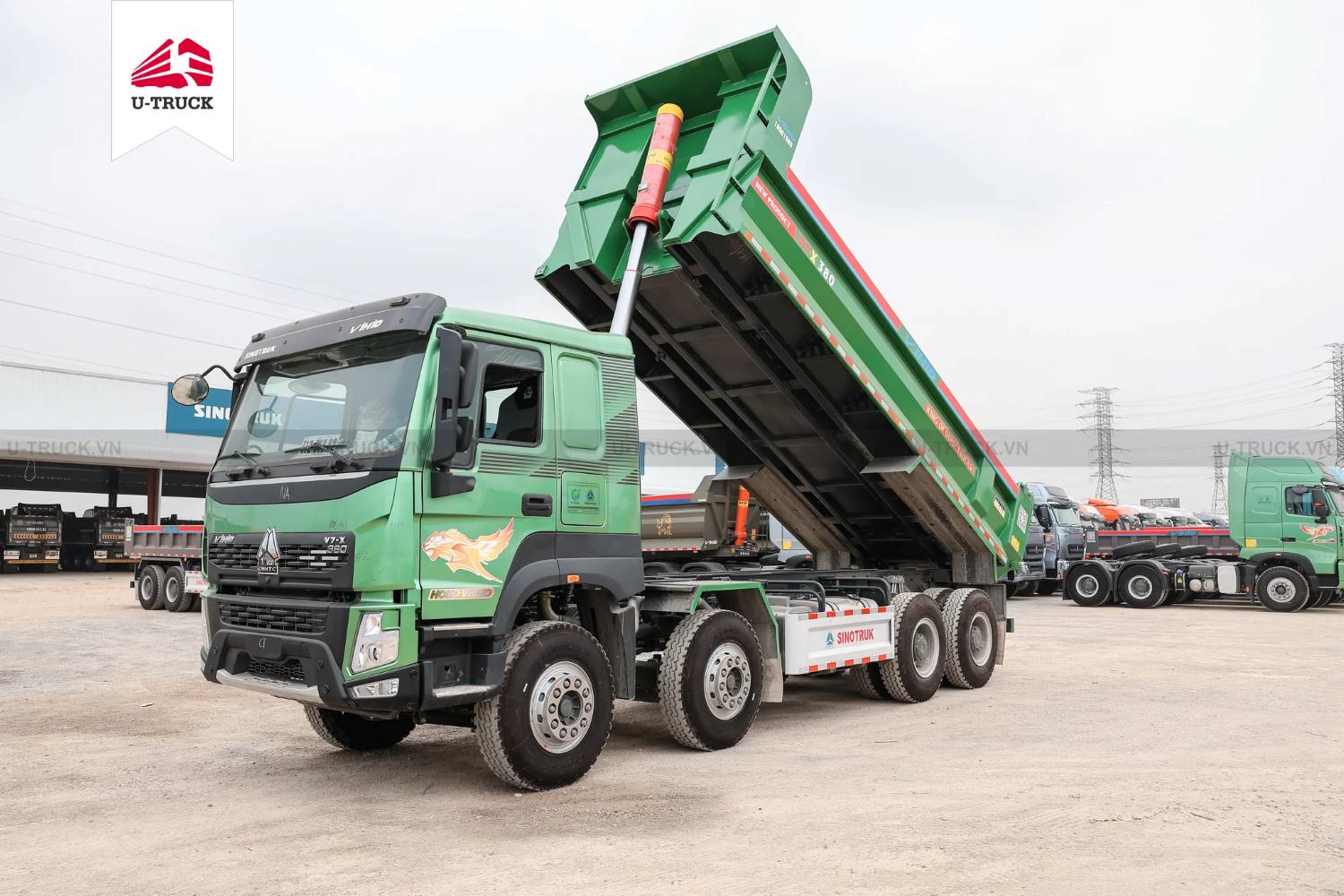
Rear dump trucks are the most common type of dump truck in use today. The dump body is hinged at the rear of the chassis and raised by one or more hydraulic cylinders mounted at the front of the body. When the hydraulic system is activated, the front of the dump body lifts, allowing the load to slide out completely through the rear under the force of gravity. This type of dump truck is widely used for transporting fill soil, crushed stone, sand, gravel, coal, ore, and construction debris.
Three-Way Dump Truck
Unlike conventional rear dump trucks that discharge materials only from the rear, three-way dump trucks can unload materials in three directions: rear, left, or right. The dump body is equipped with a flexible hinge and locking system, allowing the operator to select the desired dumping direction before activating the hydraulic cylinders. Thanks to their multi-directional dumping capability, three-way dump trucks are particularly well suited for construction sites with limited space or areas where turning the vehicle around is difficult or impossible.
Side Dump Truck
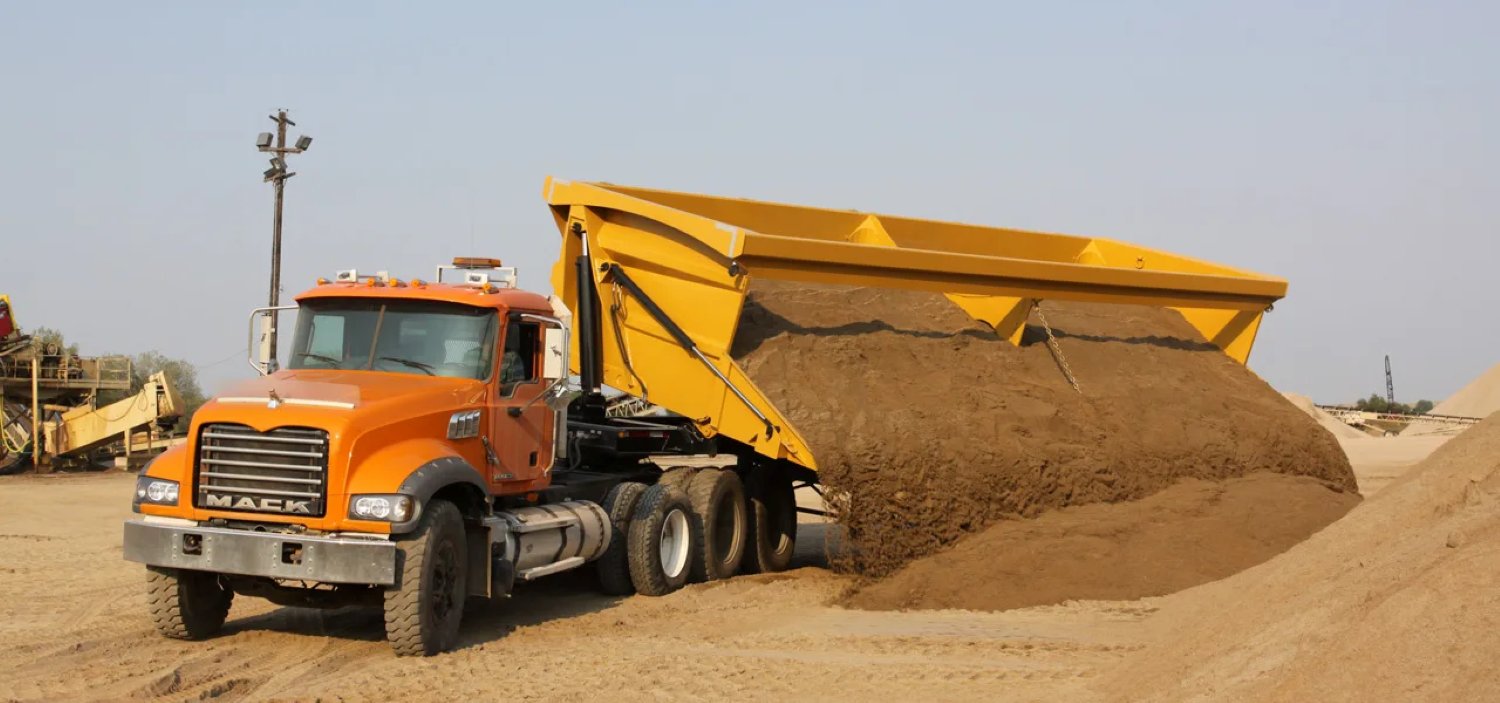
Side dump trucks are designed to tilt the entire dump body to one side, allowing materials to be discharged directly to the left or right instead of the rear. The lifting mechanism typically uses offset-mounted hydraulic cylinders or a specialized tilting frame. Compared with rear dump trucks, side dump trucks can unload materials more quickly in certain operating conditions and require significantly less clearance behind the vehicle, making them ideal for confined worksites or locations where rear dumping is impractical.
Bottom Dump / Belly Dump
A bottom dump truck, also known as a belly dump truck, features a completely different design from conventional dump trucks. Instead of lifting the entire dump body, it is equipped with discharge gates located at the bottom of the bed. When these gates are opened using a pneumatic or hydraulic system, the material is released directly beneath the truck. This design allows the truck to unload while moving, creating a relatively even layer of material along the road surface.
Bottom dump trucks are best suited for free-flowing bulk materials such as sand, crushed stone, and aggregate base. They are widely used in highway construction, road base spreading, large-scale land leveling, airport construction, and other major infrastructure projects that require continuous and uniform material distribution.
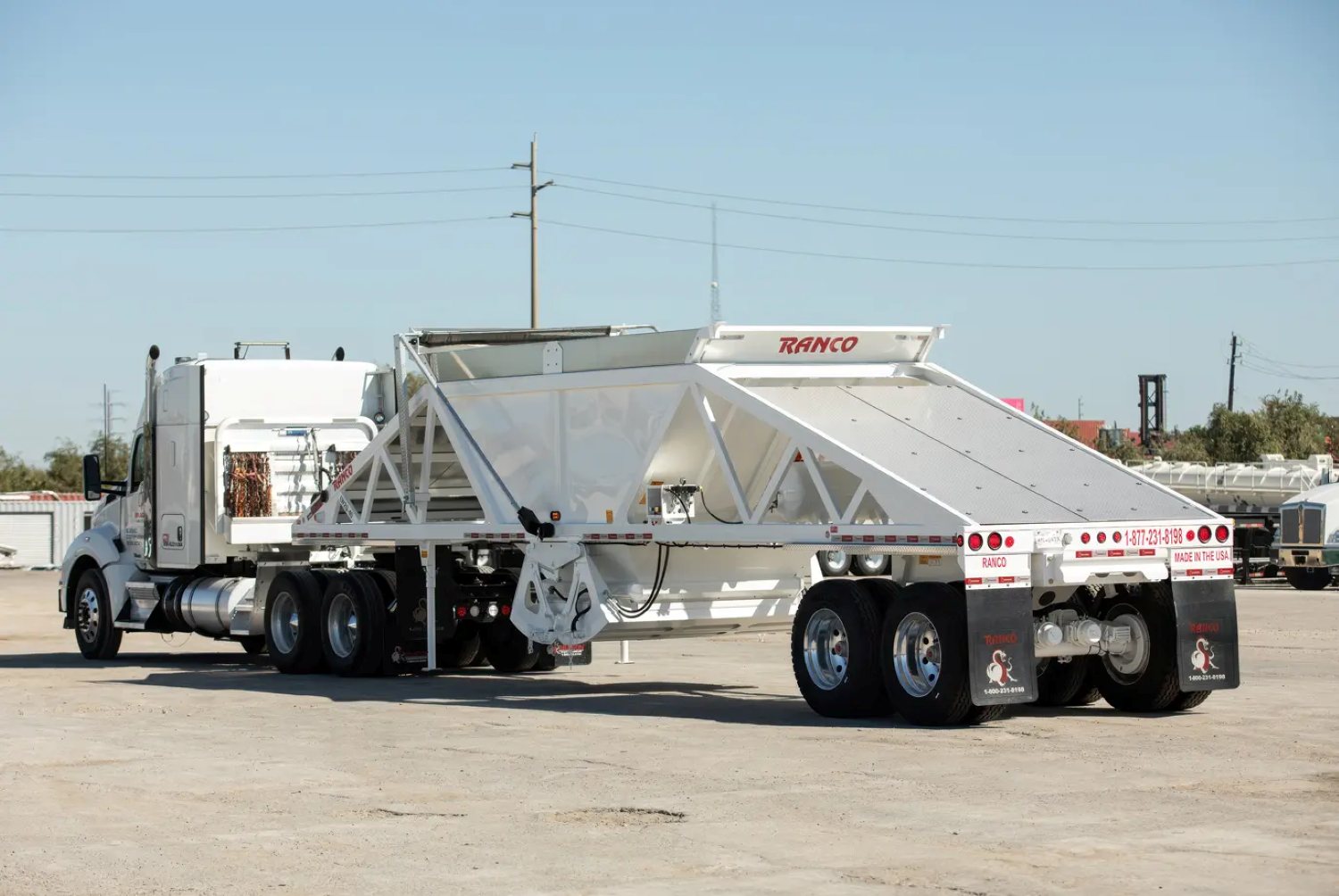
Quick Comparison of Four Dump Truck Types by Dumping Direction
| Dump Truck Type | Dumping Direction | Key Advantages | Typical Applications |
|---|---|---|---|
| Rear Dump Truck | Rear | Simple structure, high payload capacity, cost-effective | Construction, mining, and bulk material transportation |
| Three-Way Dump Truck | Rear, left, or right | Highly flexible in confined spaces | Urban construction, agriculture, and small-scale projects |
| Side Dump Truck | Left or right | Fast unloading without requiring rear clearance | Road construction, site grading, and mining operations |
| Bottom Dump Truck (Belly Dump Truck) | Through bottom discharge gates | Can spread material while moving; safer since the bed does not need to be raised | Highway construction, airport projects, road base spreading, and large-scale land leveling |
Dump Truck Types by Payload Capacity
In addition to being classified by their dumping direction, dump trucks can also be categorized by their payload capacity. Each category is designed to meet different transportation needs, ranging from urban construction projects to large-scale mining and infrastructure developments.
Light- and Medium-Duty Dump Trucks
Light- and medium-duty dump trucks, with payload capacities of less than 8 tonnes, are commonly used in residential construction, urban material transportation, and projects with limited working space. Their compact dimensions, tight turning radius, and excellent maneuverability allow them to operate efficiently on narrow streets, in residential areas, and at confined construction sites.
These trucks are typically used to transport construction materials and demolition waste. They are an ideal choice for residential contractors, small transportation companies, and urban renovation projects.
Heavy-Duty Dump Trucks
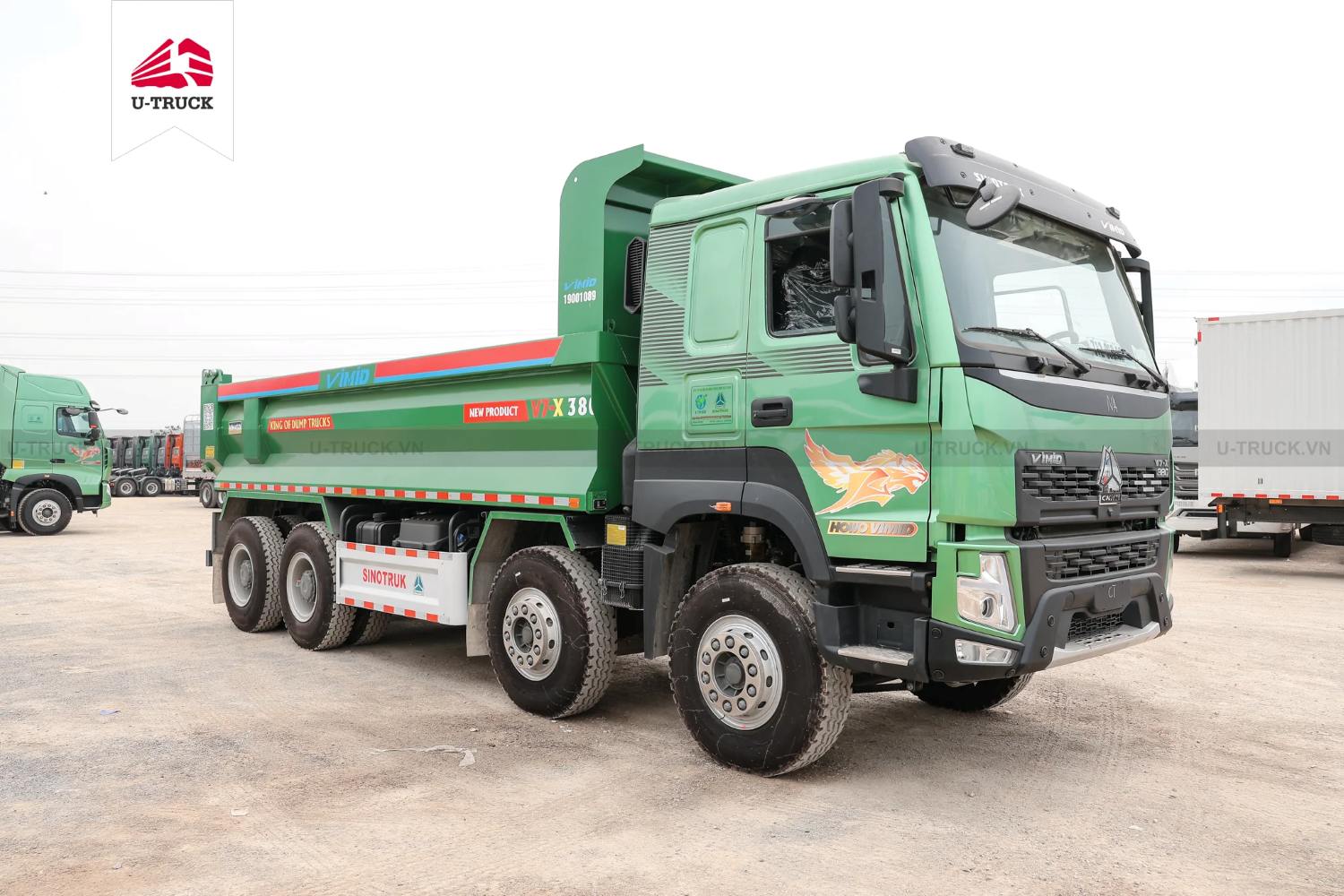
Heavy-duty dump trucks have payload capacities ranging from 9 to 18 tonnes and are widely used in medium- to large-scale construction projects. Featuring a robust chassis, high-powered engine, and a hydraulic system capable of handling heavy loads, these trucks are well suited for continuous material transport. This segment represents a significant share of the market due to its balance of payload capacity, operational performance, and investment cost.
Dump trucks in the 9–18 tonne class are commonly used for transportation infrastructure projects, industrial park construction, quarrying, building material transport, site grading, and hauling large volumes of soil, rock, and sand. Many 6×4 and 8×4 dump truck models from brands such as HOWO and SITRAK fall within this category.
Ultra-Heavy Dump Trucks
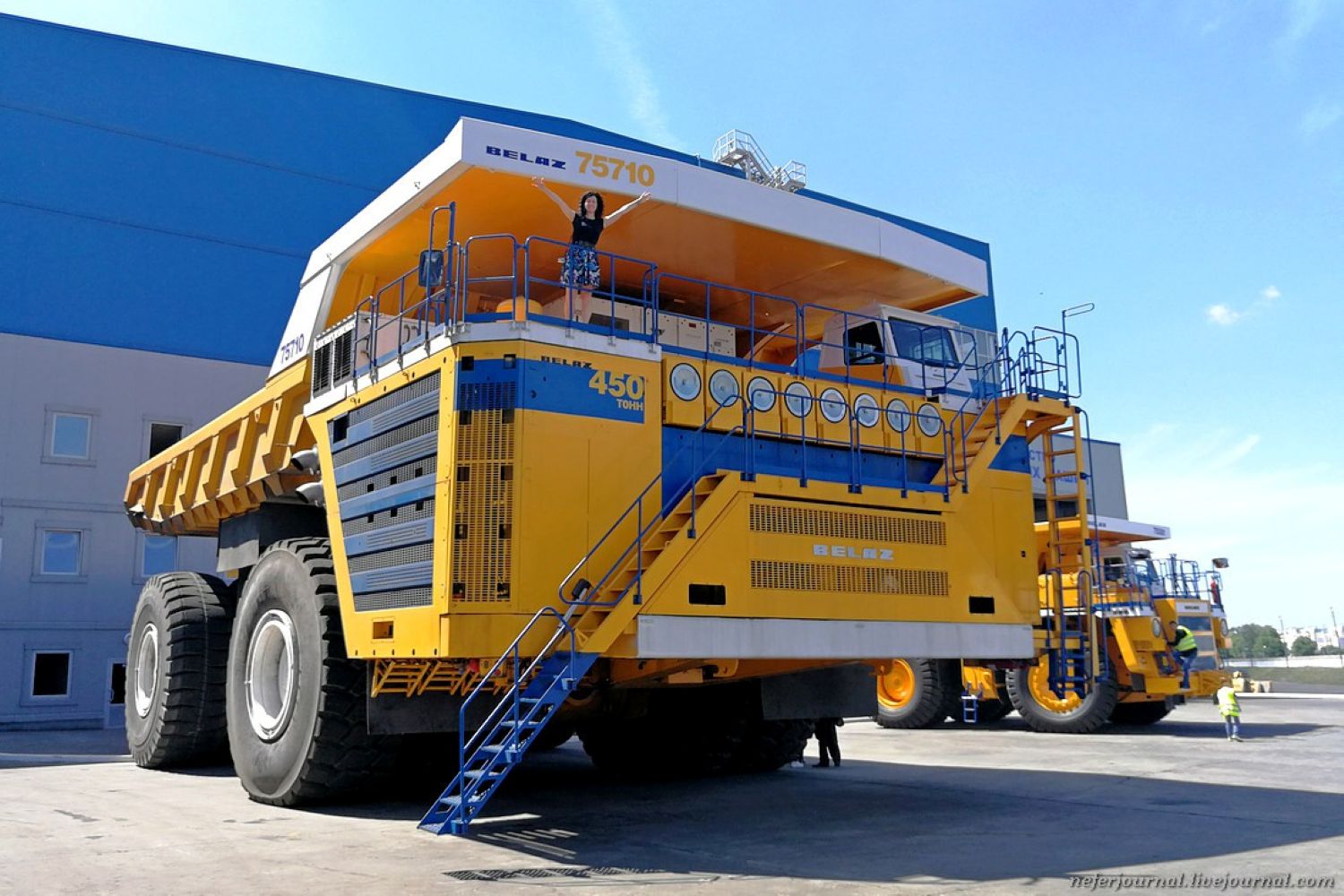
Ultra-heavy dump trucks are designed with a gross vehicle weight (GVW) exceeding 48 tonnes, which typically translates to a payload capacity of more than 30 tonnes. These trucks are built specifically for specialized projects and large-scale industrial operations. Some dedicated mining dump trucks can carry payloads of several hundred tonnes.
Unlike conventional commercial dump trucks, this category features exceptionally large dimensions, high-output engines, multi-axle drivetrain configurations, and reinforced chassis designed to withstand continuous operation in harsh environments such as mines, quarries, large-scale excavation sites, and hydropower construction projects.
Comparison of Dump Truck Types by Payload Capacity
| Category | Payload Capacity | Key Features | Typical Applications |
|---|---|---|---|
| Light- and Medium-Duty Dump Trucks | Under 8 tonnes | Highly maneuverable, fuel-efficient, ideal for narrow roads | Residential construction, urban transport, agriculture |
| Heavy-Duty Dump Trucks | 9–18 tonnes | High payload capacity, reliable performance, excellent cost efficiency | Construction projects, site grading, and material hauling |
| Ultra-Heavy Dump Trucks | Over 30 tonnes | Extremely high productivity, purpose-built for heavy industrial operations | Coal mines, quarries, hydropower projects, and large-scale infrastructure developments |
Dump Truck Types by Chassis Configuration
Dump trucks can also be classified according to their chassis configuration, including Rigid Dump Trucks (RDTs) and Articulated Dump Trucks (ADTs). This is a common classification in the mining and construction industries, as each type is designed to perform efficiently under different terrain conditions.
Rigid Dump Truck (RDT)
A Rigid Dump Truck (RDT) features a one-piece rigid chassis, with the cab, engine, and dump body permanently mounted on a single frame. Unlike articulated models, there is no pivot joint between the front and rear sections, meaning the entire vehicle operates as one integrated unit. RDTs are purpose-built heavy-duty dump trucks with exceptionally high payload capacities. They are commonly used in mining operations, large-scale construction sites, and material extraction projects where high productivity and hauling capacity are the primary requirements.
Articulated Dump Truck (ADT)
An Articulated Dump Truck (ADT) is equipped with a pivot joint between the front tractor unit and the rear dump body. This articulation allows the two sections of the vehicle to rotate independently in the horizontal plane, providing superior maneuverability on rough, uneven, or challenging terrain. Unlike rigid dump trucks, articulated dump trucks are designed to prioritize off-road mobility and terrain adaptability rather than maximizing payload capacity.
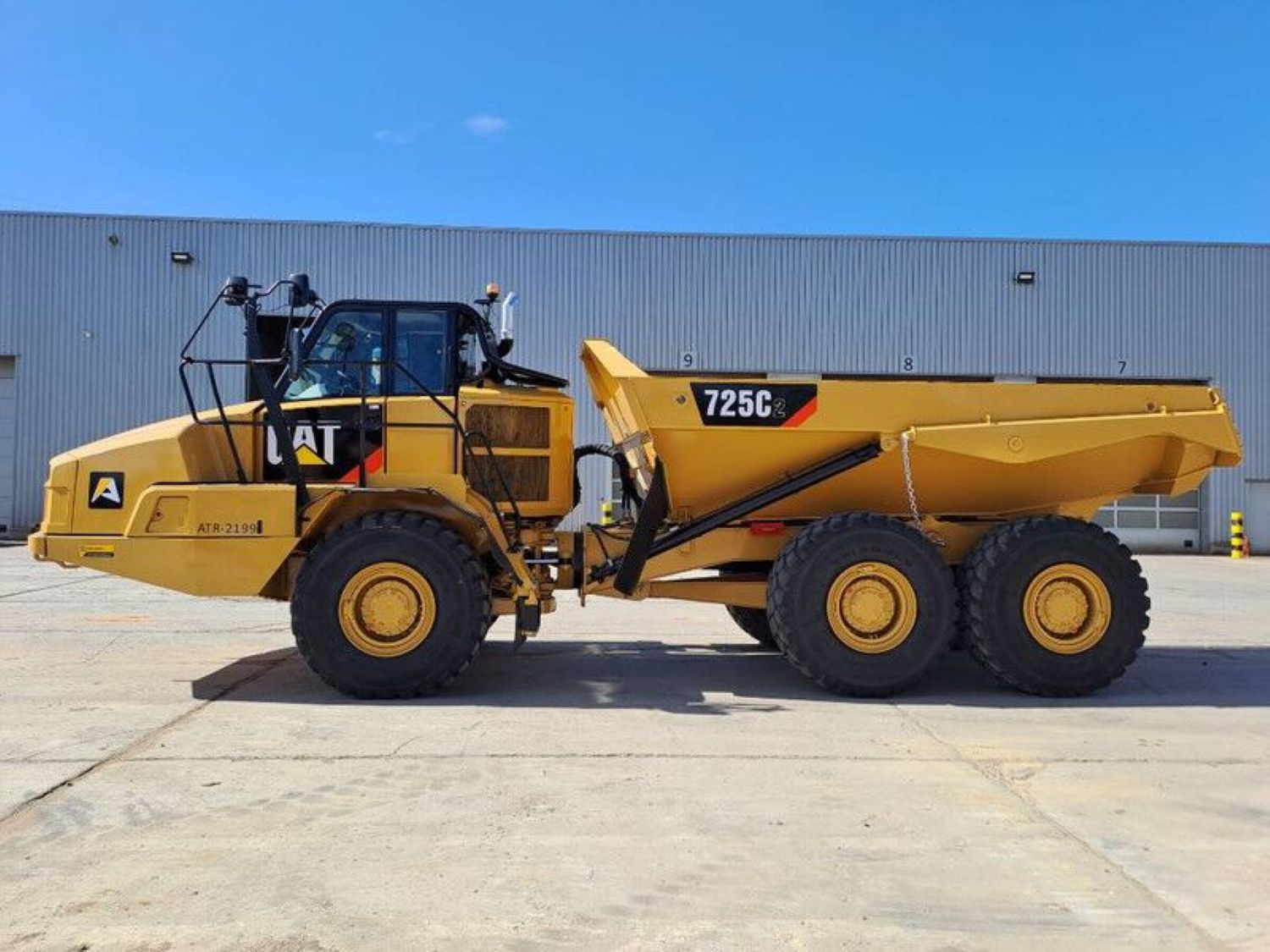
Comparison of Rigid Dump Trucks and Articulated Dump Trucks
| Criteria | Rigid Dump Truck (RDT) | Articulated Dump Truck (ADT) |
|---|---|---|
| Chassis Design | One-piece rigid frame | Front tractor and dump body connected by a pivot joint |
| Turning Radius | Larger | Smaller and more maneuverable |
| Suitable Terrain | Flat roads and established job sites | Hills, muddy ground, and rough terrain |
| Payload Capacity | Very high (30–400+ tonnes) | Medium to high (25–45 tonnes) |
| Off-Road Capability | Moderate | Excellent |
| Stability Under Heavy Loads | Very high | High |
| Typical Applications | Open-pit mining, quarrying, cement plants | Construction, hydropower projects, forestry, and challenging terrain operations |
Dump Truck Types by Application
Different industries have distinct requirements for payload capacity, durability, off-road capability, and dump body volume. As a result, manufacturers optimize dump truck designs to meet the specific operating conditions of each application.
Construction Dump Trucks
Construction dump trucks are the most widely used type in Vietnam. They are designed to transport construction materials such as sand, crushed stone, gravel, cement, fill soil, and demolition debris. Depending on the scale of the project, businesses can choose models ranging from light-duty trucks (under 8 tonnes) to heavy-duty trucks (15-18 tonnes). Their dump bodies are typically made from high-strength steel to provide excellent impact and abrasion resistance.
Mining Dump Trucks
Mining dump trucks are engineered to operate in the harshest environments, including stone quarries, coal mines, ore mines, and other mineral extraction sites. These vehicles are generally heavy-duty or ultra-heavy-duty dump trucks, offering extremely high payload capacities and the ability to operate continuously under demanding conditions.
Infrastructure Dump Trucks
Infrastructure dump trucks are specifically designed for road construction, bridges, highways, airports, and other large-scale infrastructure projects. In addition to transporting construction materials, they must withstand continuous heavy-duty operation while traveling across a wide variety of terrain.
Agricultural and Forestry Dump Trucks
In the agriculture and forestry sectors, dump trucks typically feature light to medium payload capacities to accommodate farm roads, forest tracks, and areas with limited transportation infrastructure. Besides construction materials, these trucks are also used to transport a variety of bulk agricultural and forestry products.
Waste and Recycling Dump Trucks
These dump trucks are designed for environmental sanitation, construction waste collection, and recycled material transportation. Depending on their intended application, they may be equipped with tarpaulin covers, enclosed bodies, or leak-proof systems to minimize dust emissions and prevent liquid leakage during transport.
Comparison of Dump Truck Types by Application
| Application | Materials Transported | Key Features |
|---|---|---|
| Construction | Sand, crushed stone, gravel, soil, concrete, demolition debris | Most widely used; available in various payload capacities; cost-effective |
| Mining | Coal, ore, large rocks | Extremely high payload capacity, exceptional durability, built for harsh operating conditions |
| Infrastructure | Soil, aggregate base, crushed stone, fill materials | Designed for high-intensity operation and efficient material transport |
| Agriculture & Forestry | Topsoil, fertilizer, timber, sawdust | Highly maneuverable and suitable for farm roads and forest tracks |
| Waste Management & Recycling | Construction waste, industrial waste, recyclable materials | Corrosion-resistant dump body with features that support efficient waste collection and handling |
Choosing the right dump truck for a specific application helps businesses maximize operational efficiency, extend vehicle service life, and reduce operating costs. Before making an investment, it is important to consider the type of material being transported, terrain conditions, operating frequency, and payload requirements to select the most suitable dump truck for the job.
Dump Truck Types by Powertrain
Today, the market is mainly divided into three types of dump trucks based on their powertrain: diesel dump trucks, electric dump trucks, and hybrid dump trucks. Each offers distinct advantages, making it suitable for different operating conditions and business requirements.
Diesel Dump Trucks
Diesel dump trucks are the traditional and still the most widely used type on the market. They are powered by a diesel engine, which delivers power to the drivetrain to propel the vehicle, while the hydraulic system uses engine power to raise and lower the dump body.
Thanks to decades of technological development, diesel dump trucks are highly reliable and capable of meeting a wide range of transportation needs, from residential construction projects to large-scale mining operations.
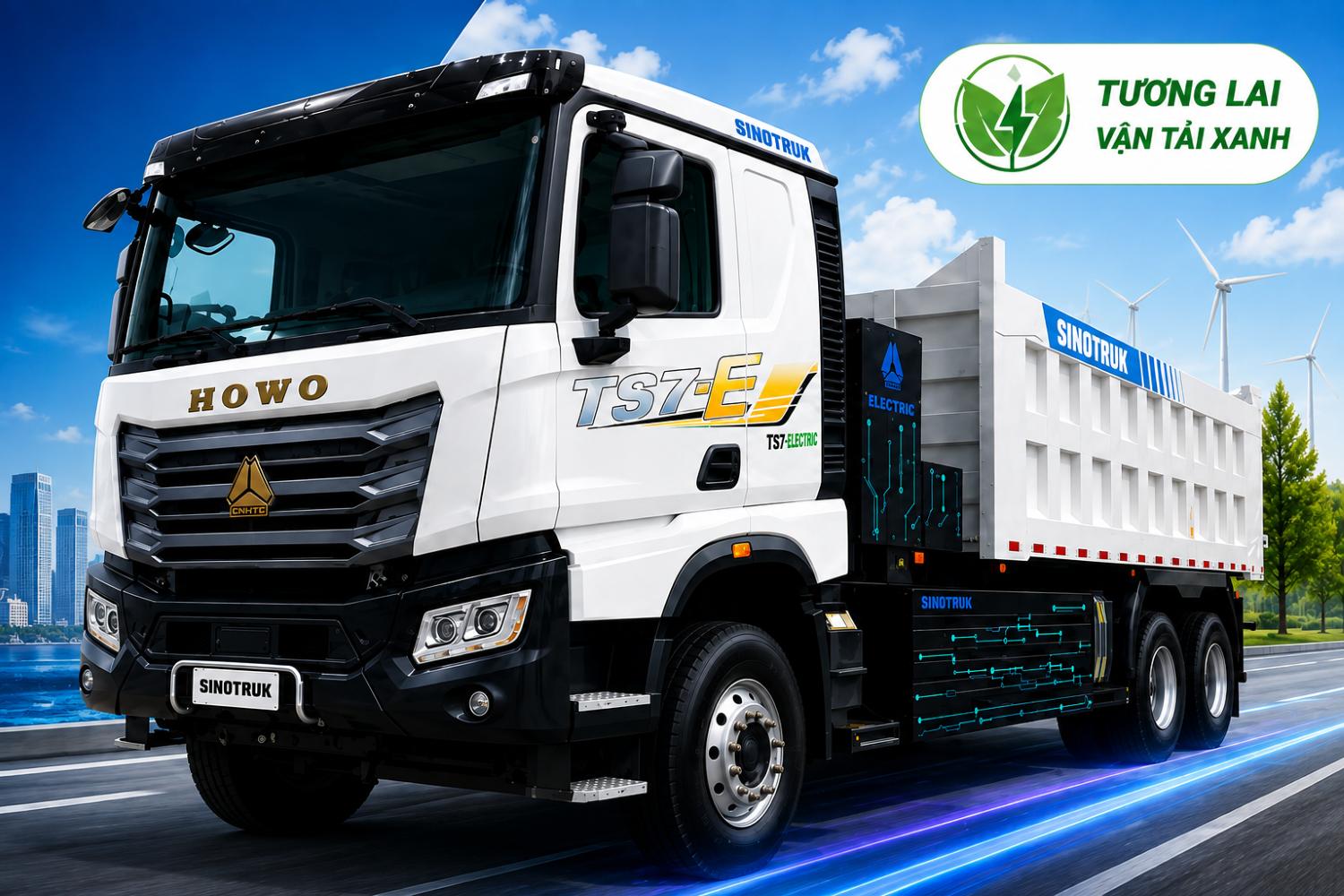
Electric Dump Trucks
Electric dump trucks use electric motors to drive the wheels and high-capacity battery packs as their energy source. The dump body’s hydraulic system is also powered electrically, rather than drawing power from a diesel engine.
Today, many countries are investing in the development of electric dump trucks to reduce carbon emissions in the mining, construction, and logistics industries. They are particularly effective in mines and enclosed operating environments where charging infrastructure is available, demonstrating significant economic and environmental benefits.
Hybrid Dump Trucks
Hybrid dump trucks combine a diesel engine with an electric motor, leveraging the advantages of both power sources. Depending on the vehicle’s design, the electric motor may assist the diesel engine during acceleration and heavy-load operation, or recover energy through regenerative braking to recharge the battery. The primary goal of hybrid technology is to reduce fuel consumption and lower emissions while maintaining the performance, capability, and reliability expected of conventional diesel dump trucks.
Comparison of Dump Truck Types by Powertrain
| Type | Power Source | Key Advantages | Limitations | Typical Applications |
|---|---|---|---|---|
| Diesel Dump Truck | Diesel engine | High power output, quick refueling, well-established fueling infrastructure | Higher emissions, greater fuel consumption, higher noise levels | Construction, mining, and bulk material transportation |
| Electric Dump Truck | Battery pack and electric motor | Zero tailpipe emissions, quiet operation, lower operating costs | Higher upfront cost, requires charging infrastructure, driving range depends on battery capacity | Mining sites, industrial parks, and urban operations |
| Hybrid Dump Truck | Diesel engine combined with an electric motor | Improved fuel efficiency, reduced emissions, regenerative energy recovery | More complex design and higher initial investment | Construction, urban operations, and businesses pursuing green transition initiatives |
Conclusion
Understanding the different types of dump trucks is essential for selecting the right vehicle for specific hauling requirements. As the construction and logistics industries continue to evolve, investing in the appropriate dump truck not only improves productivity but also helps optimize long-term operating costs. Before making a purchase, businesses should carefully evaluate factors such as payload capacity, operating terrain, usage frequency, and total cost of ownership (TCO) to choose the most efficient and sustainable solution for their operations.
Featured news

Related news

What Driving License Do You Need to Drive a HOWO Truck?
Review of the HOWO V750L 4×2 6.3-Meter Light-Duty Truck