

Truck Wheel Hub Maintenance: A Guide to Proper Inspection and Maintenance
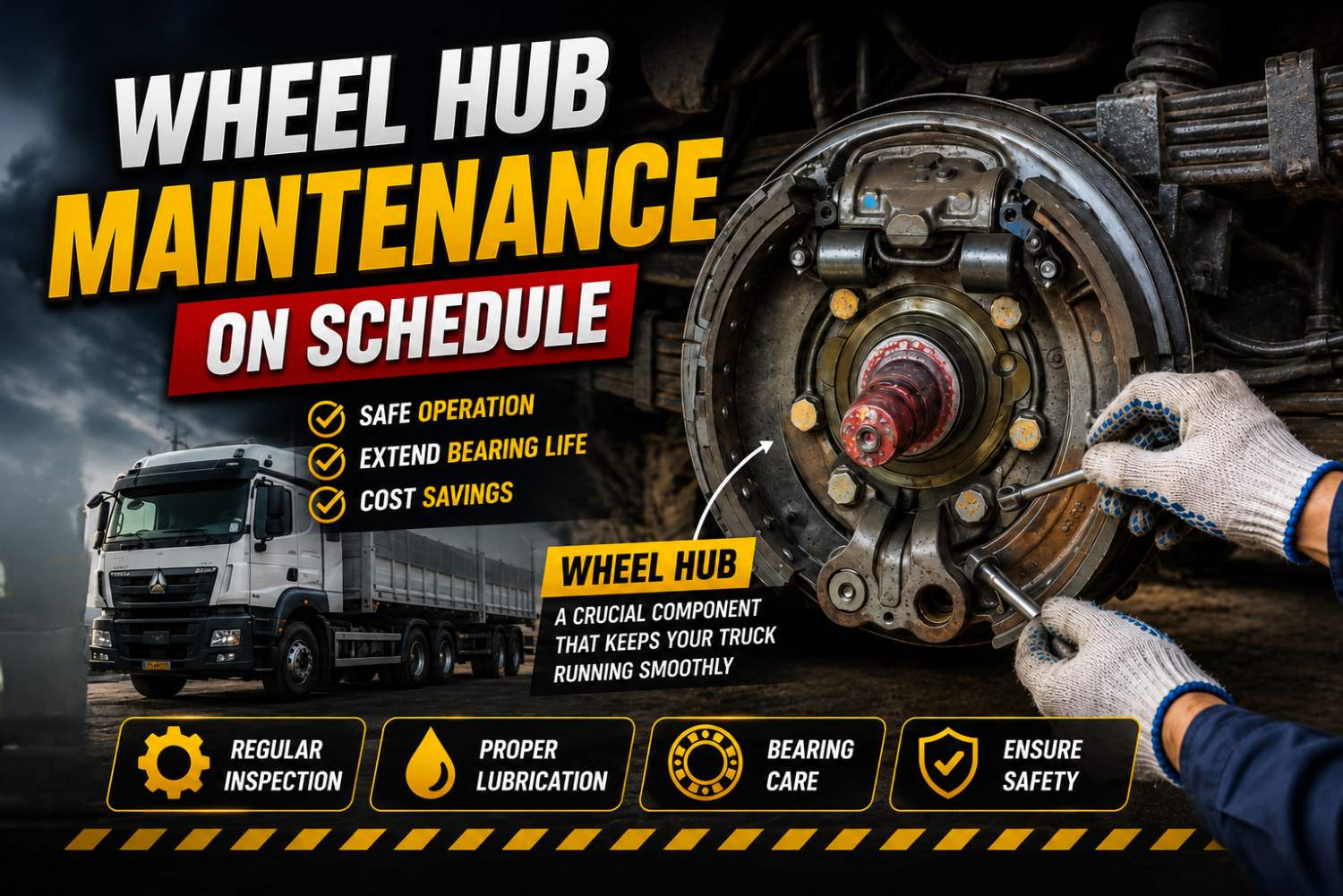
Maintaining truck wheel hubs is one of the most important yet often overlooked aspects of vehicle care. The wheel hub is the component that connects the wheel to the axle and houses the wheel bearings and oil seals. It also transfers the vehicle’s entire load to the road surface. If it is not inspected and maintained regularly, the wheel hub may wear out, overheat abnormally, or suffer bearing damage, leading to reduced vehicle performance, higher repair costs, and even serious safety risks while driving.
So, how should truck wheel hub maintenance be carried out to ensure optimal performance? What signs indicate that the wheel hub needs to be inspected immediately? Let’s find out in the following article.
Why Is Regular Truck Wheel Hub Maintenance Necessary?
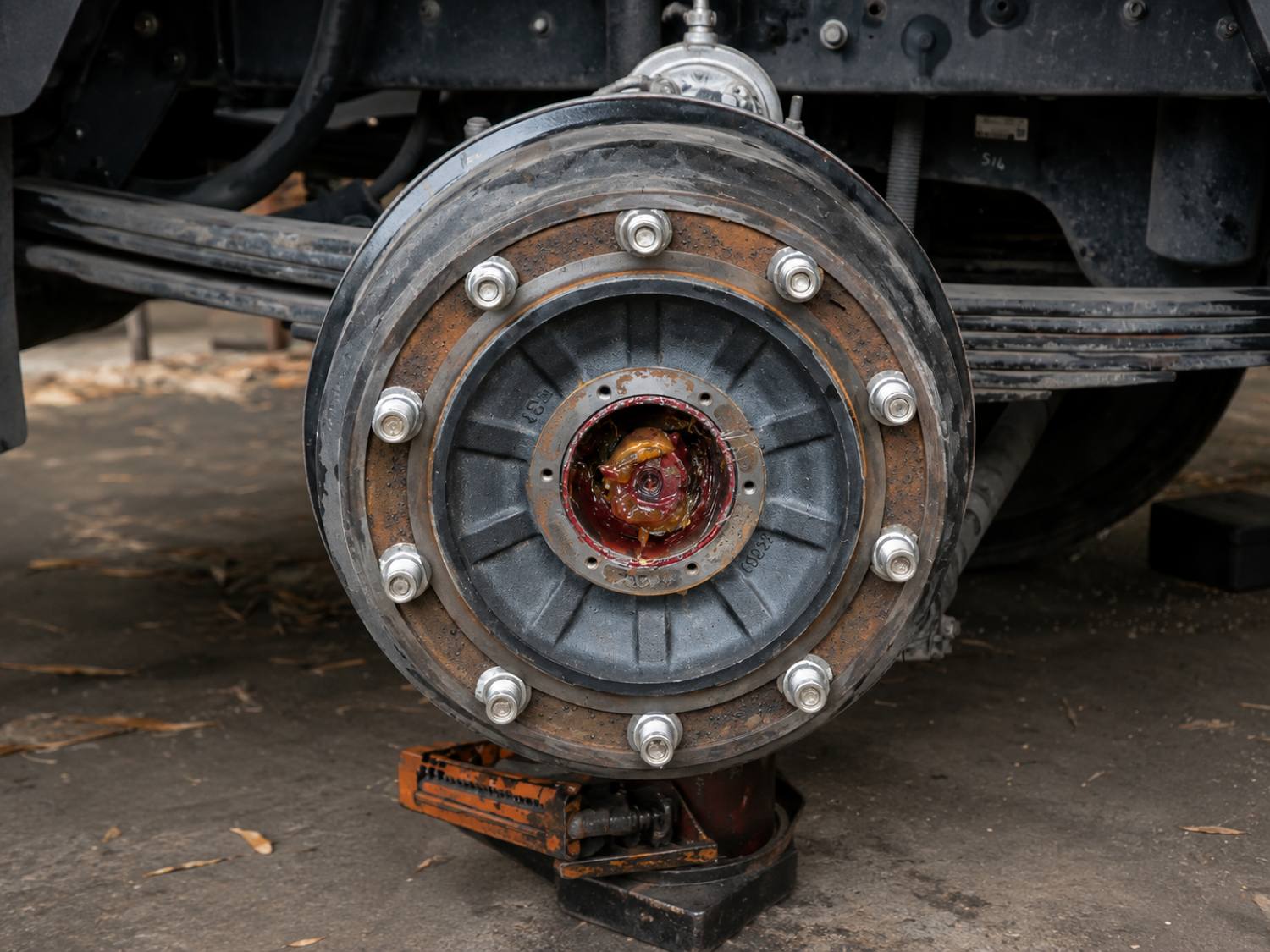
Wheel hub is a component assembly located between the wheel and the axle. It allows the wheel to rotate smoothly around the axle while supporting the weight of the entire vehicle and its cargo. A wheel hub assembly typically includes wheel bearings, oil seals, the hub shaft, an adjustment nut for setting bearing play, and a hub cap.
During operation, the wheel hub is subjected to vertical loads from the vehicle and cargo, braking forces, centrifugal forces when cornering, impacts from potholes, uneven roads, and rough terrain. Because it operates under such demanding conditions, regular truck wheel hub maintenance is essential to keeping the drivetrain and wheel system operating reliably.
Many drivers focus primarily on the engine or braking system and overlook the fact that the wheel hub is also a critical component affecting vehicle safety. Regular truck wheel hub maintenance offers several benefits, including:
- Extending the service life of wheel bearings.
- Preventing wheel bearings from seizing.
- Reducing the risk of lubricant grease overheating or burning.
- Detecting oil seal leaks at an early stage.
- Reducing major repair costs.
- Ensuring stable and safe wheel rotation.
For trucks operating on construction sites, in quarries, or frequently carrying heavy loads, wheel hub maintenance needs to be carried out even more strictly because the wheel hub assembly is subjected to greater loads and impacts.
What Does Truck Wheel Hub Maintenance Include?
Checking Wheel Hub Play
Bearing play is an important indicator of the wheel hub’s operating condition. Excessive play can cause vehicle vibration, uneven tire wear, reduced braking efficiency, and premature bearing failure. Conversely, if the bearings are tightened too much, they can generate excessive heat, causing the lubricant grease to lose its effectiveness and increasing the risk of bearing seizure. Therefore, bearing clearance must be adjusted according to the manufacturer’s technical specifications.
Checking Lubricating Grease
Lubricating grease helps reduce friction and dissipate heat from the bearings. During truck wheel hub maintenance, technicians should check:
- Grease color
- Adhesion
- Whether water or dirt is present
- Whether metal particles are present
If the grease has turned black, developed a burnt smell, or contains a significant amount of contaminants, the wheel hub should be cleaned and the grease replaced.
Checking the Oil Seal
The oil seal keeps lubricating grease inside the wheel hub and prevents dirt from entering. If the oil seal is torn or hardened:
- Grease may leak out.
- Water and dirt can enter the bearings.
- The bearings can corrode and wear out quickly.
Therefore, whenever the wheel hub is removed for maintenance, the condition of the oil seal should be carefully inspected and replaced if necessary.
Checking the Wheel Bearings
Wheel bearings are the most critical components of the wheel hub assembly. The bearings should be replaced if any of the following conditions are detected: pitting on the roller surfaces, scratches, cracks, blue discoloration caused by overheating, or abnormal noise when rotating. Do not continue using damaged bearings, as they can cause damage to the entire wheel hub assembly.
Signs That Your Truck Wheel Hubs Need Immediate Maintenance
During operation, if any of the following signs appear, the vehicle owner should take the truck to a service center for inspection:
- Humming or squealing noises coming from the wheels while driving.
- The wheel hub becomes abnormally hot after a short distance.
- The vehicle vibrates at high speeds.
- Uneven or abnormal tire wear.
- Oil or grease is leaking around the wheel hub.
- The wheel has excessive play when shaken by hand.
Addressing these issues early can help prevent damage from spreading to the axle, wheel spindle, or braking system.
Important Considerations for Truck Wheel Hub Maintenance
To ensure effective truck wheel hub maintenance, keep the following points in mind:
- Use the correct type of lubricating grease recommended by the manufacturer.
- Do not reuse removed oil seals.
- Tighten the wheel hub nut to the specified torque.
- Do not strike the bearings directly with a hammer.
- Thoroughly clean the entire wheel hub assembly before reassembly.
- Check the wheel hub temperature after completing maintenance.
For trucks operating in dusty, flooded, or heavy-load conditions, inspection intervals should be shortened to detect abnormal signs at an early stage.
How Often Should Truck Wheel Hubs Be Serviced?
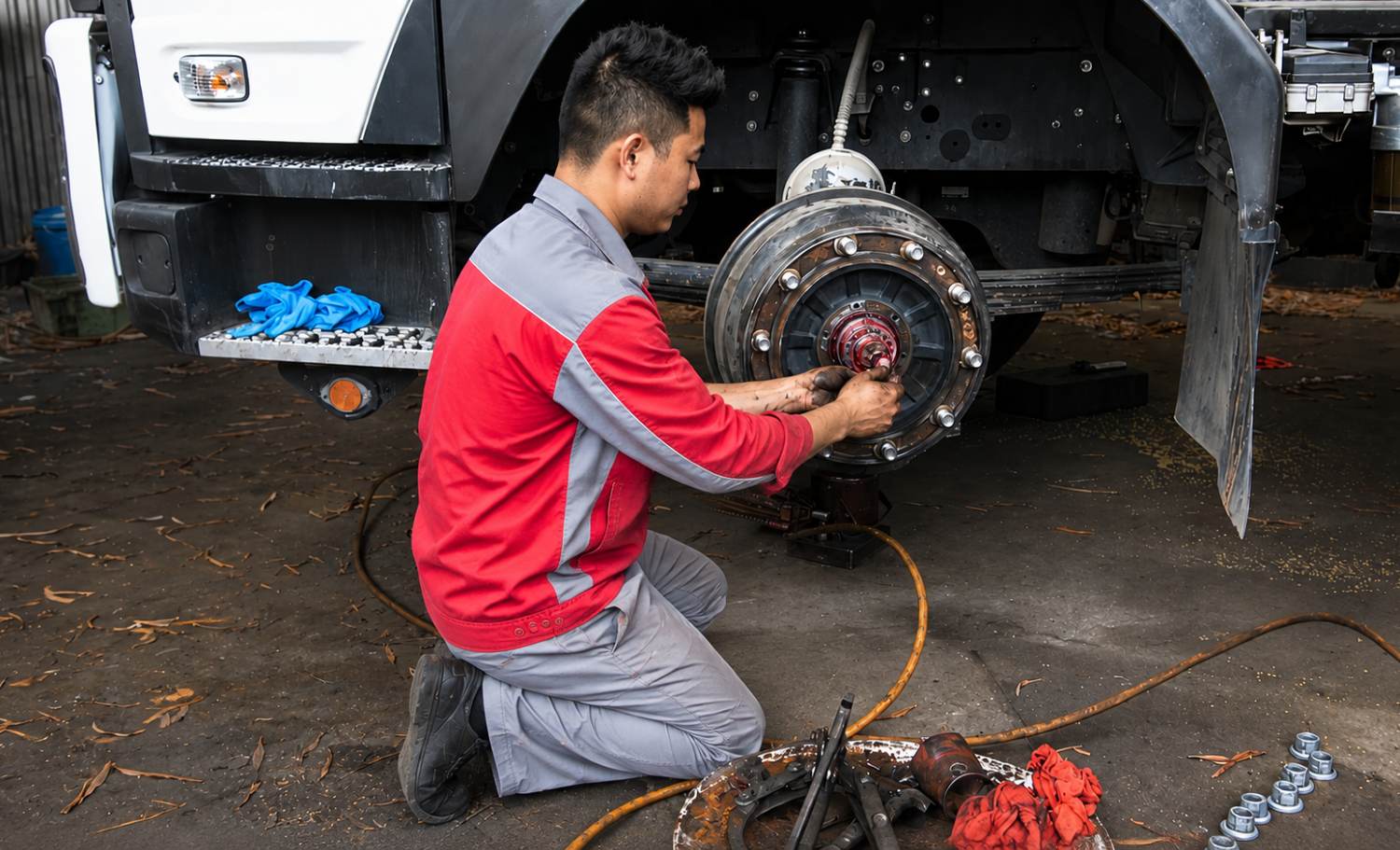
The maintenance interval for truck wheel hubs depends on operating conditions and the manufacturer’s recommendations. In general:
- External inspection: Perform during every scheduled vehicle maintenance service.
- Checking wheel hub play and bearing condition: Perform according to the maintenance schedule or whenever abnormal signs appear.
- Cleaning, grease replacement, and oil seal inspection: Follow the maintenance schedule for each truck model, or perform maintenance sooner if the vehicle frequently operates in dusty, flooded, or heavy-load conditions.
Do not wait until the wheel hub starts making abnormal noises or becomes excessively hot before servicing it, as the bearings may already have suffered serious damage by that point.
Conclusion
Truck wheel hub maintenance not only helps extend the service life of wheel bearings, oil seals, and related components but also contributes to vehicle safety throughout operation. Regular inspections, using the correct lubricants, and following the manufacturer’s maintenance guidelines can help reduce the risk of damage, minimize vehicle downtime, and optimize operating costs.
For trucking companies and truck owners, proactively maintaining wheel hubs at the appropriate intervals is an effective way to maintain vehicle reliability and performance over the long term.
Featured news


Related news

What Driving License Do You Need to Drive a HOWO Truck?

Review of the HOWO V750L 4×2 6.3-Meter Light-Duty Truck