

What Is the Difference Between Genuine Parts and OEM Parts?
When replacing components for a truck, many owners wonder whether they should choose genuine parts or OEM parts. Although both may be manufactured by the same factory, they can differ significantly in terms of price, warranty coverage, packaging, labeling, and branding. Understanding the differences between genuine and OEM parts helps truck owners make the right choice based on their needs while ensuring reliable vehicle performance and optimizing maintenance costs.
What Are Genuine Parts?
Genuine parts are components supplied by the vehicle manufacturer or distributors authorized by the manufacturer. These parts are designed to meet the specific technical standards of each vehicle model, ensuring proper compatibility, seamless installation, and reliable performance.
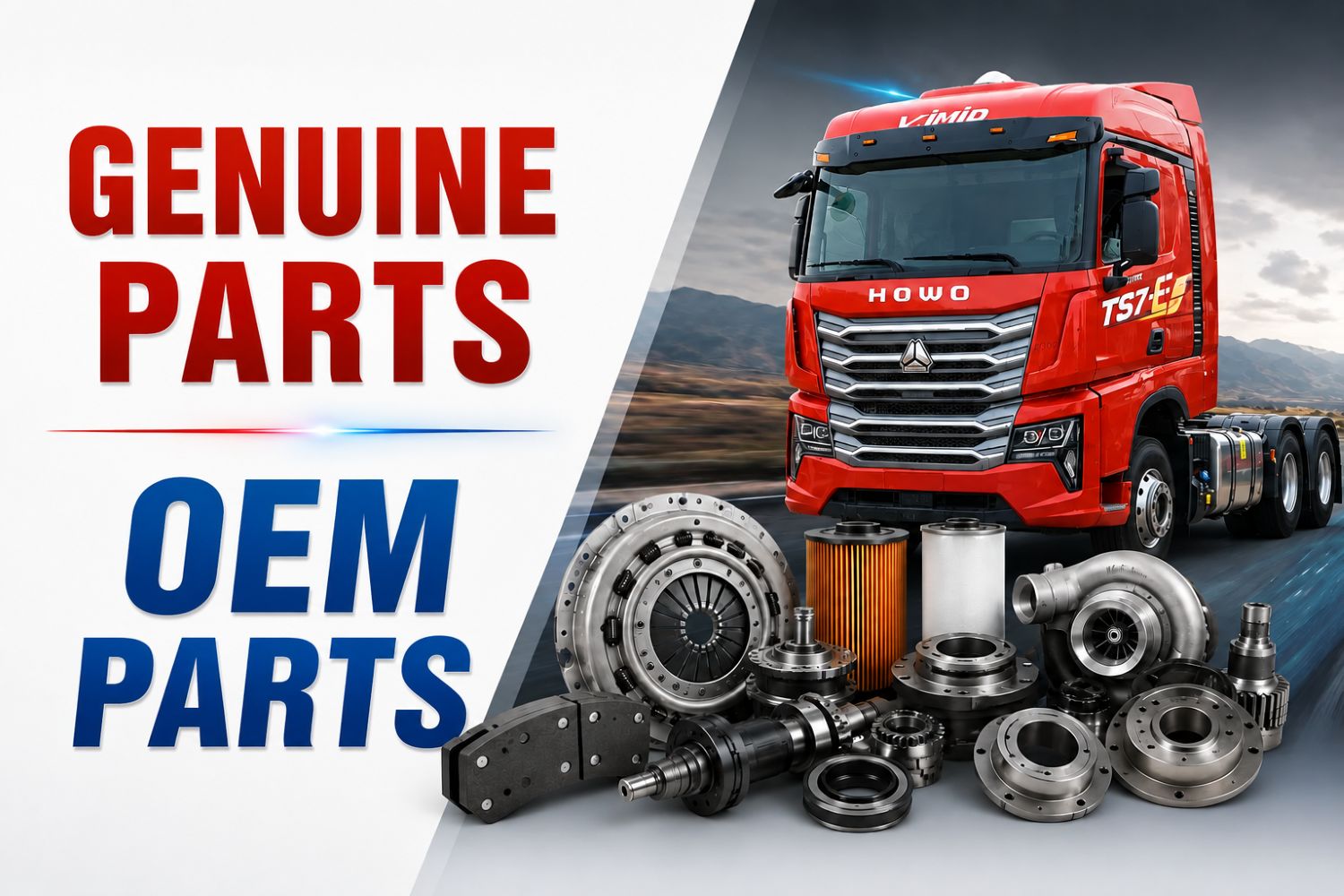
For HOWO trucks, genuine parts are typically distributed through authorized dealerships or service centers. They usually come with official packaging, labels, part numbers, and warranty policies provided by the supplier.
What Are OEM Parts?
OEM stands for Original Equipment Manufacturer, referring to a company that manufactures components according to technical specifications to supply vehicle manufacturers or other businesses. OEM parts are components produced by OEM manufacturers and sold on the market under the component manufacturer’s own brand rather than the vehicle manufacturer’s brand.
In simple terms, OEM parts are components that offer appropriate quality and compatibility because they are manufactured according to the original technical requirements. The main difference from genuine parts is that their packaging, branding, logos, and distribution channels may be different.
Comparison of Genuine Parts and OEM Parts
| Criteria | Genuine Parts | OEM Parts |
|---|---|---|
| Source | Vehicle manufacturer or authorized distributor | Distributed by OEM manufacturer |
| Packaging | Carries the vehicle manufacturer’s branding | Carries the OEM manufacturer’s branding |
| Standards | Meets the vehicle manufacturer’s standards | Meets the OEM manufacturer’s standards |
| Compatibility | Designed specifically for each vehicle model | Generally compatible, but the part number should be verified |
| Quality | Consistent quality controlled by the vehicle manufacturer | Depends on the individual OEM manufacturer |
| Price | Generally higher | Generally lower |
| Warranty | Covered under the manufacturer’s or dealer’s warranty policy | Covered under the supplier’s warranty policy |
When Should You Choose Genuine Parts?
In many cases, genuine parts are a suitable choice for ensuring vehicle durability and reliable performance. Truck owners should prioritize genuine parts when:
- The vehicle is still under warranty.
- Replacing critical components such as the engine, transmission, steering system, or braking system.
- The truck frequently operates under heavy loads or on long-distance routes.
- You want to ensure compatibility and minimize potential risks during operation.
Using genuine parts helps reduce the risk of problems caused by incompatible components, especially in systems with strict technical requirements.
When Can You Choose OEM Parts?
OEM parts can be a suitable option in certain situations, provided they are supplied by reputable manufacturers and meet the vehicle’s required technical specifications.
Some situations where OEM parts may be considered include:
- You want to optimize maintenance costs.
- Replacing regularly worn parts such as air filters, oil filters, or other consumable components.
- The vehicle is no longer under warranty.
- You have received advice from a reputable repair shop or dealer.
However, users should carefully verify the product’s origin, part number, and warranty policy before making a decision.
Are OEM Parts Counterfeit?
This is one of the most common misconceptions in the market. The answer is no. OEM parts are not synonymous with counterfeit products. Counterfeit products are manufactured illegally to copy or imitate the brand of a vehicle manufacturer or another parts manufacturer.
OEM parts, on the other hand, are products supplied by component manufacturers under their own brands. However, the quality of OEM parts can vary from one manufacturer to another, so users should choose products with a clear and verifiable origin.
In addition to genuine and OEM parts, the market also offers aftermarket parts. These are components manufactured by various companies as replacements for original parts, with a wide range of quality levels and prices. Not all aftermarket parts are low quality, but users should prioritize reputable brands and check compatibility with their vehicles before use.
Tips for Choosing the Right Parts for HOWO Trucks
To ensure effective use and minimize potential risks, truck owners should consider the following tips:
Check the Correct Part Number
Different HOWO truck models may use different part numbers. Cross-checking the part number or VIN helps ensure that you select the correct replacement component. Refer to HOWO part numbers at: https://u-truck.vn/en/spare-parts/
Purchase from a Reputable Supplier
It is recommended to purchase parts from authorized dealerships or distributors with clear product origins to minimize the risk of purchasing counterfeit or low-quality products.
Check Labels and Packaging
Intact packaging, complete product information, and clearly displayed part numbers are important factors that help users verify the origin of components.
Pay Attention to the Warranty Policy
Whether choosing genuine or OEM parts, buyers should carefully review the supplier’s warranty, return, and technical support policies.
U-Truck Offers a Wide Range of HOWO Parts
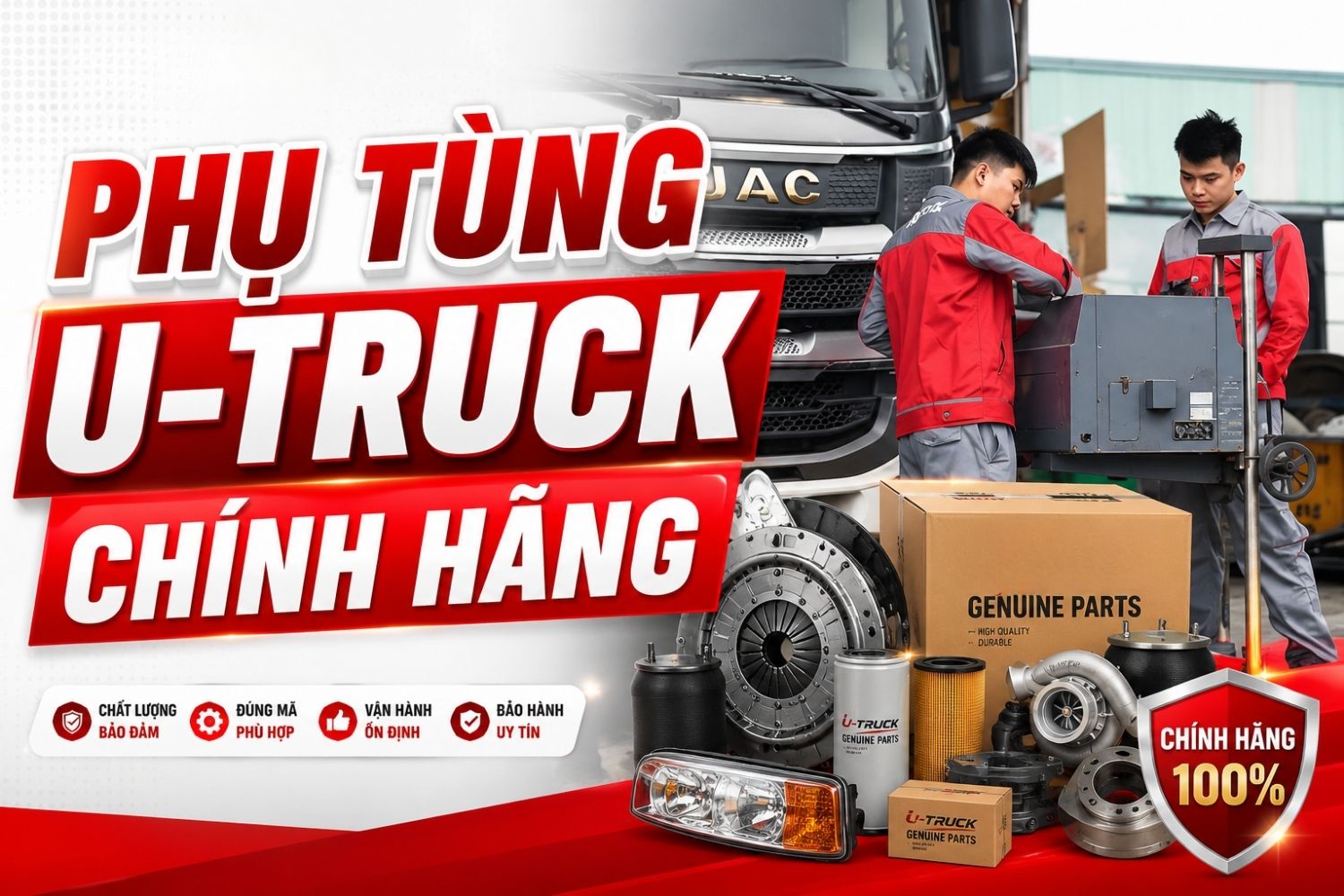
U-Truck offers a wide range of genuine HOWO truck parts to meet the maintenance, repair, and replacement needs of various truck models currently in operation. The product range includes engine components, drivetrain parts, braking systems, steering systems, electrical systems, suspension systems, chassis components, and various consumables such as oil filters, air filters, fuel filters, brake pads, belts, and more. This makes it easier for customers to find suitable parts for their specific truck models.
In addition to offering a diverse range of products, U-Truck also provides support for identifying the correct part numbers for different HOWO models. Its technical team is available to advise customers on selecting suitable components based on their specific requirements, helping ensure stable vehicle operation, minimize downtime, and improve overall operating efficiency.
Conclusion
Both genuine and OEM parts have their own advantages. Genuine parts are suitable for truck owners who prioritize compatibility, reliability, and warranty coverage. Meanwhile, OEM parts can be a cost-effective option when they are manufactured by reputable suppliers and meet the vehicle’s required technical specifications.
When choosing replacement parts, price should not be the only consideration. Product origin, compatibility, and the reliability of the supplier are equally important. Truck owners should follow the manufacturer’s recommendations and choose trusted distributors to ensure their vehicles operate safely, reliably, and efficiently throughout their service life.
Featured news


Related news

What Driving License Do You Need to Drive a HOWO Truck?

Review of the HOWO V750L 4×2 6.3-Meter Light-Duty Truck