7 Common Misconceptions About Electric Trucks: What’s the Truth?
24/07/2026
182
Common misconceptions about electric trucks continue to make many businesses and drivers hesitant to adopt greener transportation solutions. Many people believe that electric trucks are only suitable for short-distance routes, are expensive to operate, or suffer from rapid battery degradation. But are these assumptions still valid as electric vehicle technology continues to advance? Let’s explore the facts behind these common myths and gain a clearer, more objective understanding before making an investment decision.
Common Misconceptions About Electric Trucks That Make Many People Hesitate
The electric truck market is expanding rapidly worldwide and is gradually gaining momentum in Vietnam. However, because the technology is still relatively new, outdated information and experiences with earlier generations of electric vehicles continue to shape public perception. As a result, many people still hold misconceptions about the capabilities and practicality of modern electric trucks.
These common misconceptions about electric trucks not only influence purchasing decisions but also prevent businesses from taking advantage of opportunities to reduce operating costs, lower carbon emissions, and strengthen their brand image in the era of sustainable logistics. To make informed decisions, it is essential to evaluate today’s electric truck technology based on current advancements rather than relying on outdated assumptions or long-standing myths.
Myth 1: Electric Trucks Can’t Handle Long-Distance Transportation
This is one of the most common misconceptions about electric trucks. It is true that electric trucks generally have a shorter driving range than conventional diesel trucks. However, advancements in battery technology have significantly extended their operating range in recent years.
Many modern electric trucks can now travel 200-500 km (125-310 miles) on a single charge, making them well suited for urban deliveries, industrial parks, port operations, and last-mile logistics. For businesses that operate on fixed daily routes, this driving range is more than sufficient to meet their transportation needs efficiently.
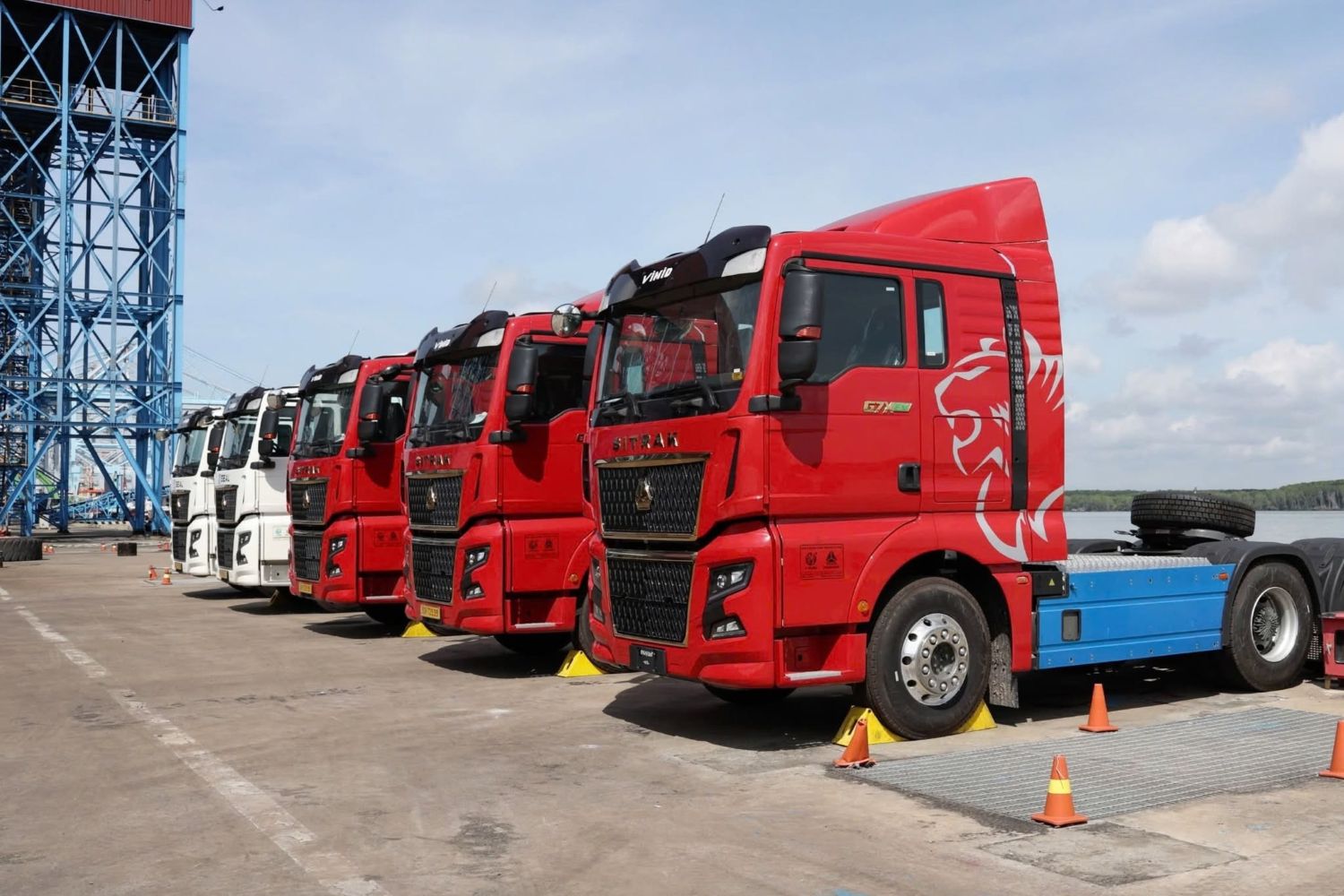
The G7X-EV electric truck delivers an estimated range of 220 km per charge
Myth 2: Charging the Battery Takes Too Long
One of the biggest concerns people have when considering an electric truck is the charging time. In reality, charging duration depends on several factors, including the battery capacity, charger output, charging technology, and the type of charging station used.
With DC fast charging, many electric trucks can recharge their batteries from 20% to 80% in as little as 30 to 90 minutes. In addition, many fleet operators schedule charging during downtime between deliveries or overnight, allowing the battery to be fully recharged without disrupting daily operations. As a result, charging time has little impact on the vehicle’s regular operating schedule.
Myth 3: Electric Trucks Are More Expensive to Operate Than Diesel Trucks
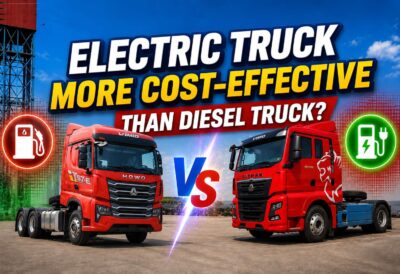
Many people focus solely on the higher purchase price of an electric truck and assume that it is more expensive overall. In reality, while the initial investment may be higher, the Total Cost of Ownership (TCO) over the vehicle’s lifetime can actually be lower than that of a conventional diesel truck.
The savings come from several key factors:
Lower electricity costs compared with diesel fuel.
Fewer moving parts, resulting in reduced maintenance requirements.
No engine oil changes are required.
No need to replace components such as oil filters, fuel filters, or exhaust after-treatment systems.
For businesses operating their vehicles intensively over many years, these savings can become substantial. The comparison below illustrates the cumulative operating costs of an electric truck versus a conventional diesel truck for reference.
Cost Type (VND)
Cost Item (Estimated)
Diesel Truck
Electric Truck
First-year investment cost
1,428,850,000
3,400,850,000
Annual fuel cost
876,000,000
496,127,710
Annual maintenance + fixed cost
138,326,000
75,576,000
Total cumulative cost by year (VND)
Year 1
2,443,176,000
3,972,553,710
Year 2
3,457,502,000
4,544,257,420
Year 3
4,471,828,000
5,115,961,330
Year 4
5,486,154,000
5,687,664,840
Year 5
6,500,480,000
6,259,368,550
Despite the higher upfront purchase cost, the substantially lower operating expenses of electric trucks mean that their cumulative total cost of ownership (TCO) typically becomes lower than that of comparable diesel trucks after around five years. Beyond this point, ongoing savings from reduced energy consumption and lower maintenance requirements enable businesses to further improve long-term cost efficiency and profitability.
Myth 4: Batteries degrade quickly and are very expensive to replace
This is a common concern among many customers. The truth is that modern electric truck batteries are designed to have a very long lifespan. Typically, a battery can operate for many years or thousands of charge cycles before its capacity drops to a level that requires replacement. Furthermore, the Battery Management System (BMS) helps optimize the charging and discharging process. Many manufacturers also offer long-term battery warranties, and continuous advancements in battery technology further enhance durability and safety.
Rapid battery degradation, as many fear, usually only occurs due to improper usage or on older-technology vehicles.
Myth 5: Electric trucks are not powerful enough to haul heavy loads
Many people believe that electric motors are weaker than diesel engines. In reality, electric motors generate maximum torque instantly from the moment they start operating. This offers several key advantages: fast startup, strong hill-climbing capability, smooth acceleration, and stable performance when carrying heavy loads.
For many urban transport needs or freight handling at seaports, electric trucks fully meet all performance requirements. However, for super-heavy, oversized, or extremely long-haul routes, diesel trucks still retain certain advantages depending on the operating conditions.
Myth 6: Electric vehicles are unsafe in the rain
Many drivers worry that using electricity poses safety hazards. The truth is that electric trucks are manufactured under strict safety standards. The battery systems and high-voltage components are fully insulated, waterproof, and dustproof. These vehicles can operate normally in rain or shallow flooding within the limits specified by the manufacturer.
The key is for users to follow the user manual and avoid operating the vehicle in flooded areas that exceed recommended water depths.
Myth 7: Maintenance and repairs are difficult
Many businesses fear they won’t find suitable repair and maintenance facilities. In reality, an electric truck’s powertrain is much simpler than that of an internal combustion engine vehicle. Consequently, these trucks experience fewer minor breakdowns, require fewer parts for periodic maintenance, need no engine oil changes, and lack many of the wear-and-tear components found in traditional fuel systems. Moreover, as the electric truck market expands, service networks will continue to grow, making maintenance increasingly convenient.
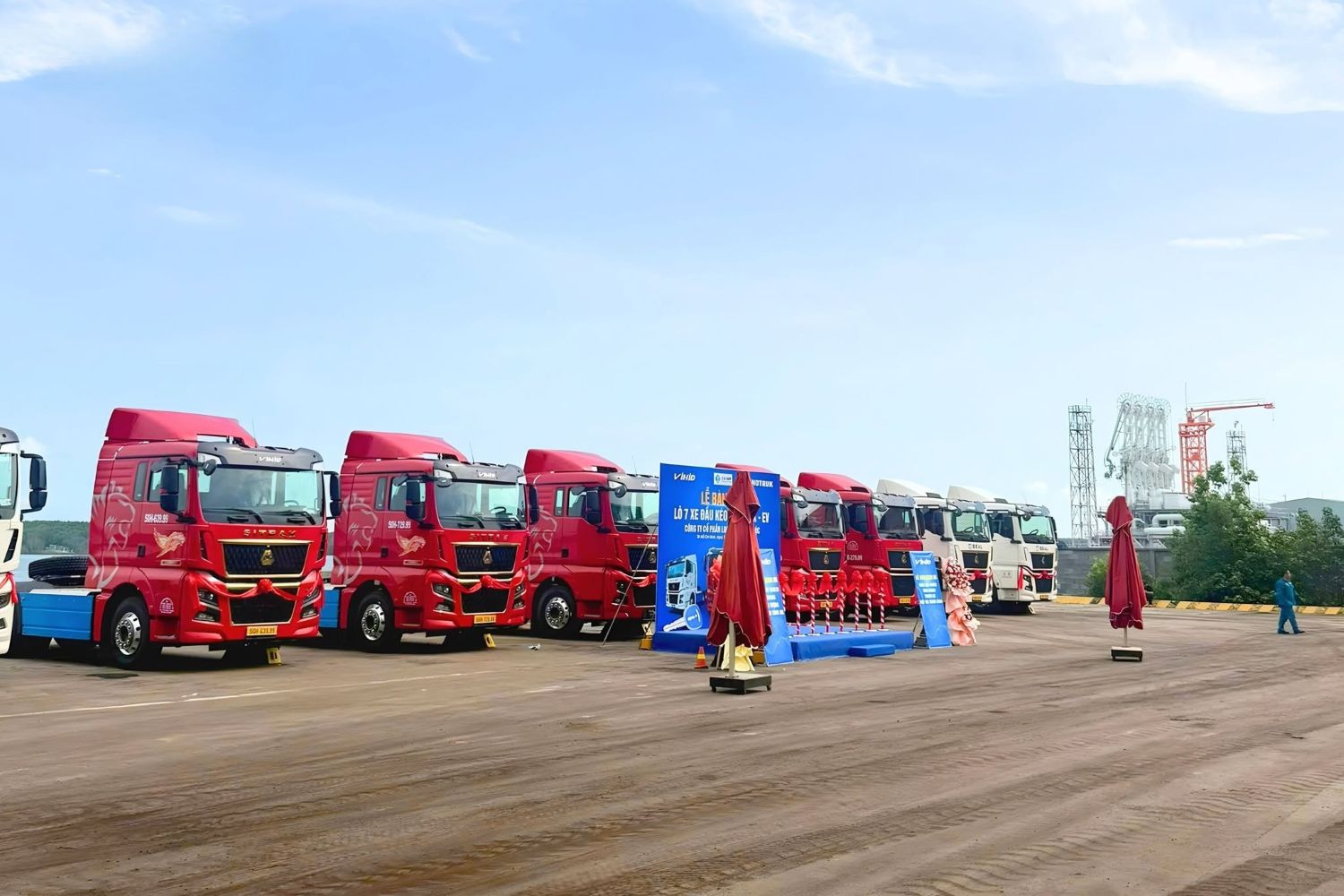
U-TRUCK’s nationwide network of 23+ service station chains
U-TRUCK boasts a nationwide network of 23+ 3S service station chains, ready to meet the maintenance and repair needs of electric truck customers across all provinces. Spanning from North to South, this extensive footprint allows customers to easily access services and minimize downtime, ensuring uninterrupted business operations. A team of well-trained technicians and professional service workflows ensure quick issue resolution and complete peace of mind on every journey. This infrastructure serves as a major strategic advantage, allowing U-TRUCK to partner with customers long-term throughout their vehicle operations.
Conclusion
Common myths about electric trucks primarily stem from outdated information or a lack of awareness regarding modern EV technology advances. In reality, electric trucks are increasingly demonstrating stable performance, cost efficiency, and environmental friendliness across various transport scenarios. While they may not yet be the optimal choice for every specific need, electric trucks represent an inevitable development trend in the logistics industry. Thoroughly evaluating technical specifications, operating range, running costs, and charging infrastructure will help businesses make efficient investment decisions aligned with their long-term business goals.
Lái xe HOWO cần bằng gì? Để lái xe HOWO, người lái cần có bằng lái tương ứng với trọng tải và loại xe. Điều này đòi hỏi đáp ứng yêu cầu về tuổi tác, sức khỏe và hoàn thành quá trình đào tạo và sát hạch lái xe.
Howo electric trucks are gradually becoming a popular choice for transport businesses as fuel costs, emission reduction requirements, and the shift toward new energy vehicles gain increasing attention. With Sinotruk’s commercial vehicle portfolio, customers can access a range of electric-powered solutions tailored to different transportation needs. So, which Howo electric truck models are available, how […]
The HOWO V750L 4×2 6.3M is a light-duty cargo truck developed to combine dimensions suitable for urban transportation with a drivetrain delivering 480 Nm of torque. It features a spacious T3M cab, a 160 HP Weichai engine, an 8-forward and 2-reverse-speed transmission, and a chassis, axle, and suspension system designed for cargo transportation. Review of […]