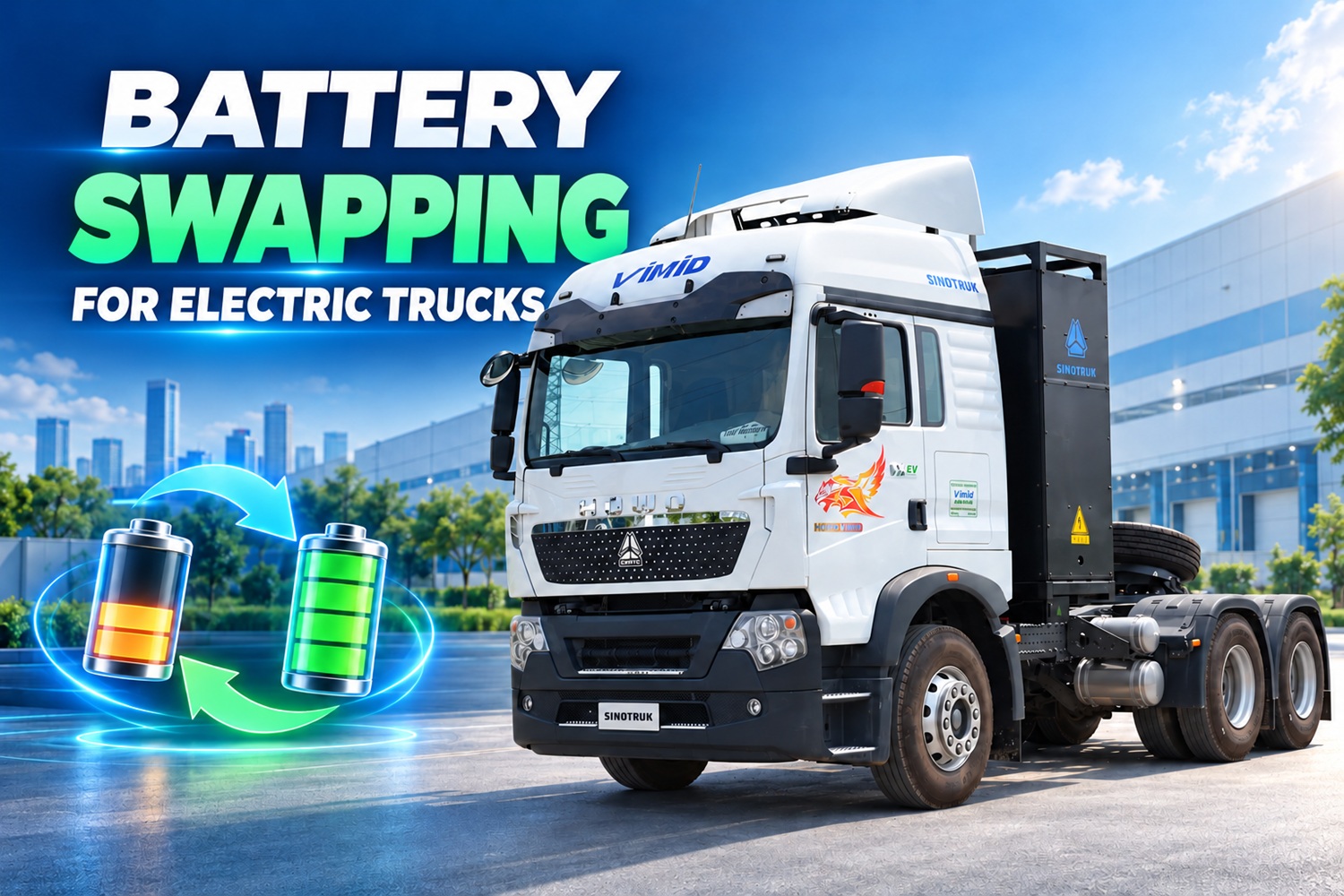

Why Are Large Enterprises Switching to Electric Tractor Trucks?
Fluctuating diesel prices, emission-reduction roadmaps, and the Net Zero target by 2050 are putting pressure on the transport industry, while every shipment still needs to arrive on time and at an optimized cost. For fleets operating on fixed routes with high utilization rates and access to dedicated charging facilities, electric tractor trucks are not just a “green” option but also a potentially worthwhile investment.
How Are Electric Tractor Trucks Transforming the Transport Industry?
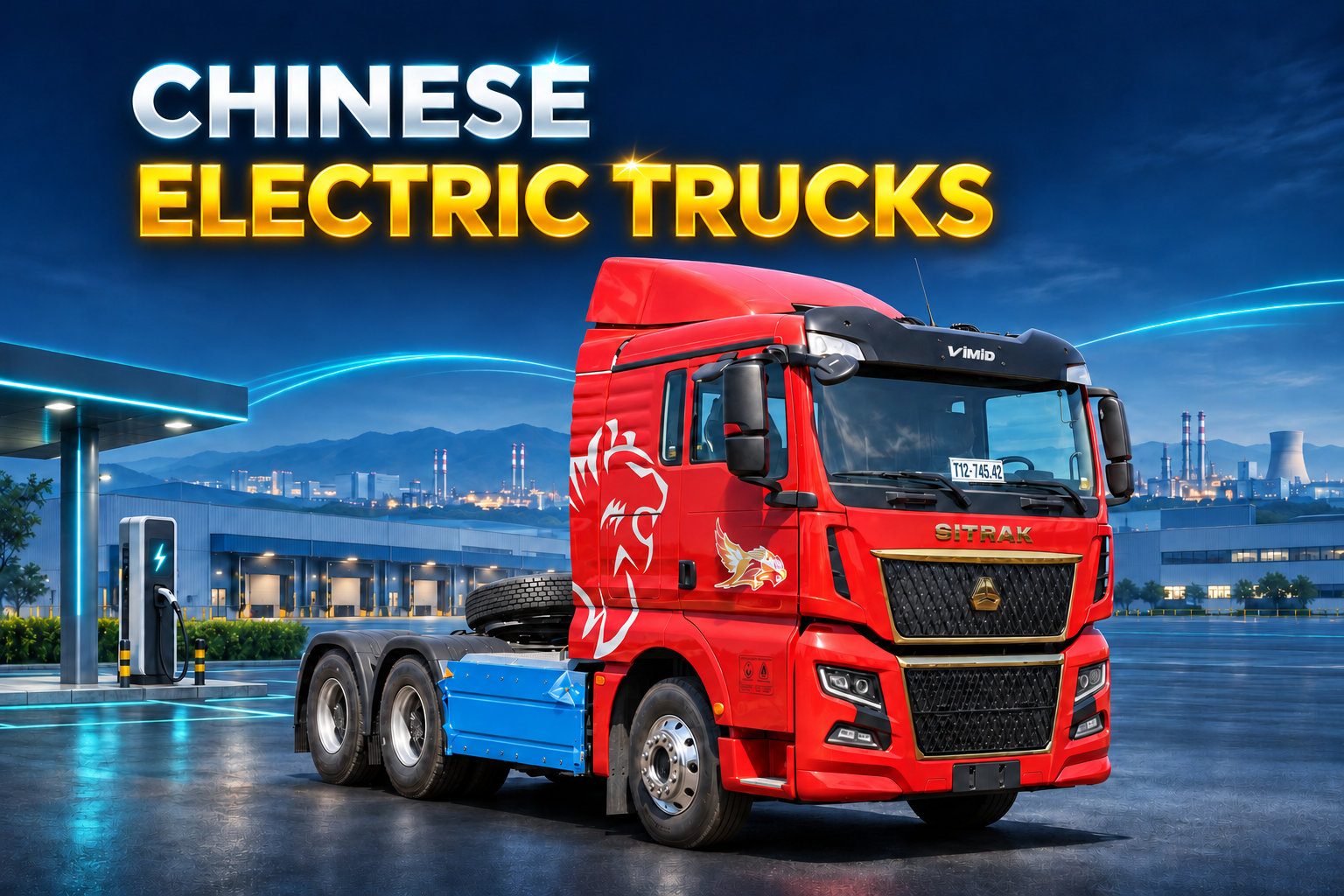
Electric tractor trucks use electric motors and battery packs instead of diesel engines and produce no direct exhaust emissions during operation. According to the IEA’s Global EV Outlook 2026 report, electric trucks accounted for approximately 9% of global new truck sales in 2025. Around 230,000 heavy-duty electric trucks were sold that year, a significant increase from approximately 84,000 units in 2024.
In Vietnam, several major companies, including Hoa Phat Group, Thang Long Construction – Trading and Services Joint Stock Company, and Xuan Loc Logistics Joint Stock Company, are among the early adopters of green transportation, expanding their transport solutions through the use of electric tractor trucks.
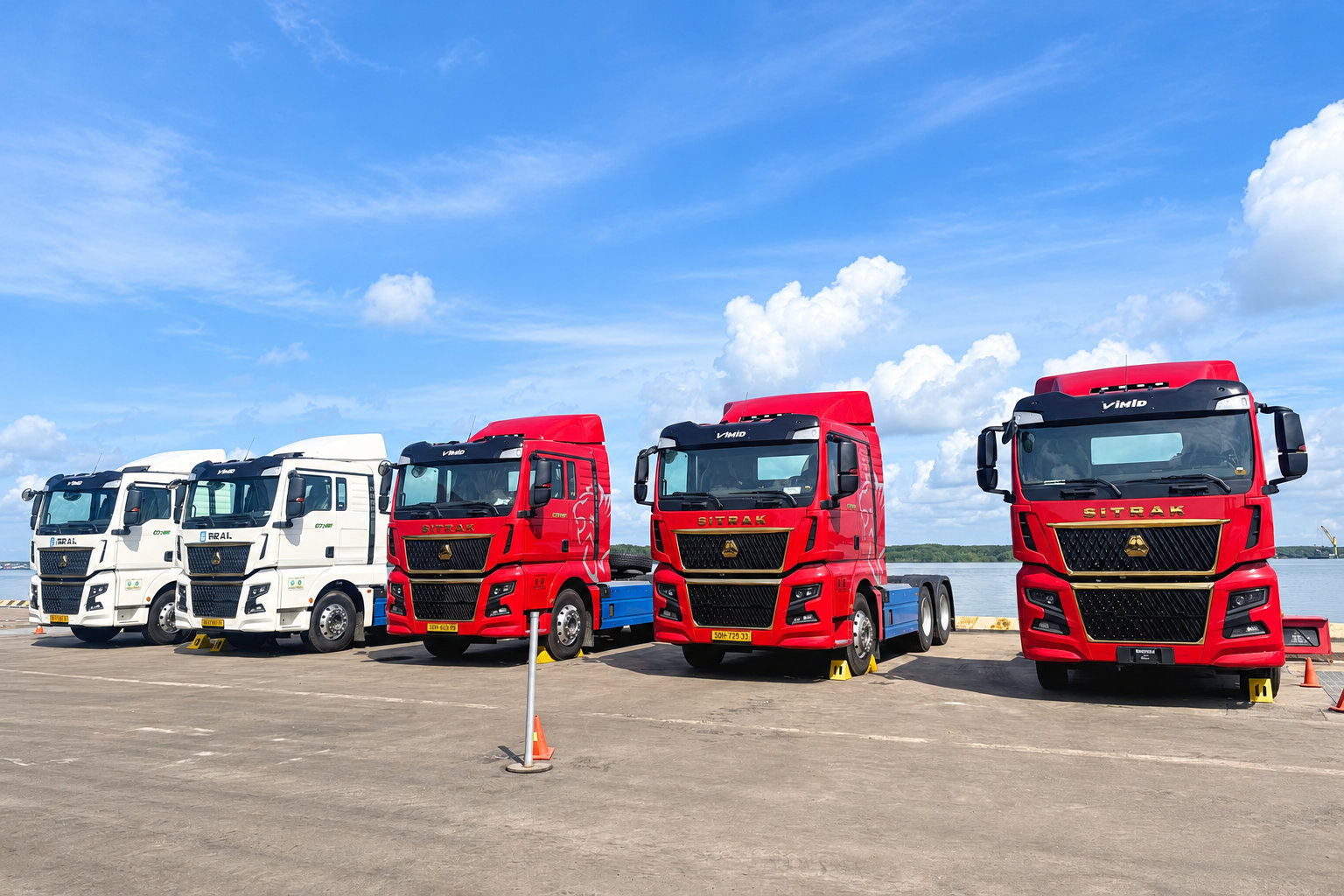
7 Reasons Why Large Enterprises Are Switching to Electric Tractor Trucks
Potential to Reduce Energy Costs per Kilometer
For fleets operating dozens or hundreds of tractor trucks, even a small difference in cost per kilometer can add up to substantial annual savings. However, businesses need to account for energy consumption under load, charging losses, time-of-use electricity rates, and charging station fees. A fixed port-to-warehouse route repeated daily presents a very different cost calculation from a long-distance route involving multiple stops.
Reduced Requirements for Certain Routine Maintenance Tasks
Electric trucks do not require engine oil changes, oil filter replacements, or maintenance of certain fuel system components. Regenerative braking also helps reduce wear on friction brakes. However, the battery, cooling system, high-voltage components, tires, axles, suspension, and braking system still require inspections in accordance with the manufacturer’s recommendations.
Meeting Customers’ Demand for Green Logistics
Many cargo owners and exporters are increasingly concerned about supply chain carbon footprints. Using vehicles with zero tailpipe emissions can therefore give transport providers an additional competitive advantage. However, electric vehicles do not have zero emissions throughout their entire life cycle. To include them in ESG reports, businesses need to apply an appropriate emissions accounting methodology.
Easier Charging Scheduling for Fixed Routes
Fleet operators know their routes, container pickup and delivery schedules, and waiting times in advance. This allows them to take advantage of available time for charging and reduces their dependence on public charging stations. The IEA notes that depot charging, particularly when trucks are parked overnight, is often an attractive option for electric trucks.
Instant Torque for Heavy-Duty Transportation
Electric motors deliver high torque from low speeds, which is useful when starting with heavy loads or operating continuously in ports and warehouses. Regenerative braking also recovers some energy during deceleration. However, its effectiveness depends on the load, terrain, and battery condition, so businesses should conduct trial runs under actual operating conditions.
Improving Drivers’ Working Environment
The absence of engine noise and direct exhaust emissions helps create a more comfortable environment in warehouses, ports, and residential areas. Actual noise levels still depend on tires, road surfaces, vehicle speed, and the design of each truck.
Greater Control Over Long-Term Fleet Strategy
Electrifying part of a fleet allows businesses to develop new capabilities early, including monitoring electricity consumption, coordinating charging schedules, training technicians, and managing batteries. As a result, many operators choose to start with suitable routes and gradually expand their electric fleets rather than replacing all vehicles at once.
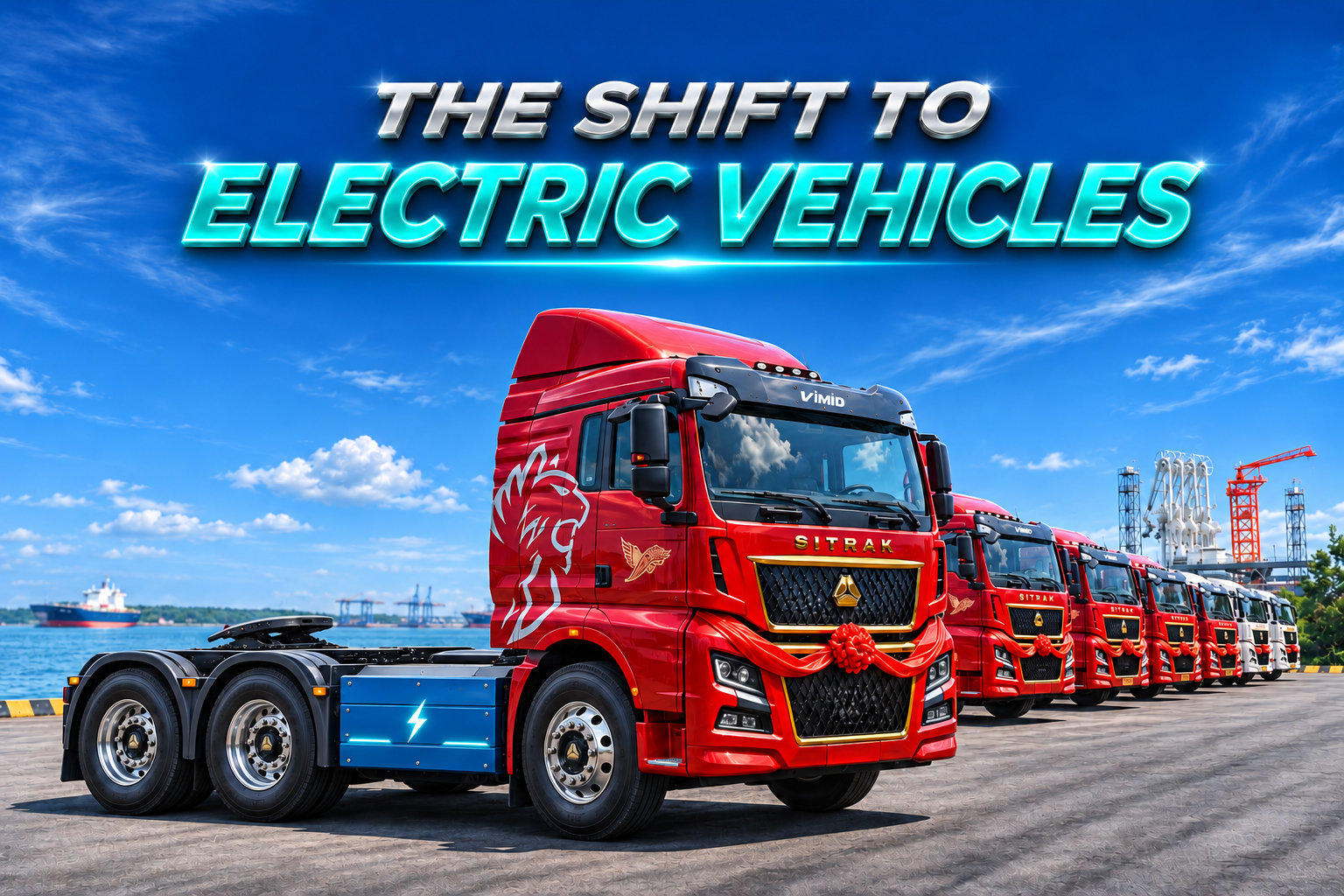
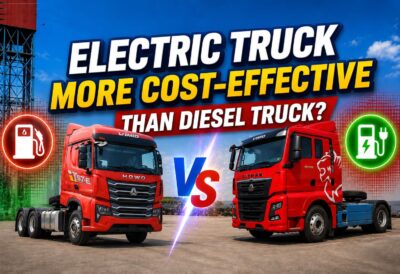
Are Electric Tractor Trucks Really More Cost-Effective Than Diesel Trucks?
They can be, but not on every route or under all operating conditions. Electric tractor trucks generally have a higher upfront purchase price than comparable diesel models. According to the IEA, the Total Cost of Ownership (TCO) of electric trucks has become competitive in certain markets and scenarios, particularly in China.
The following table compares the key components of TCO:
| Cost Component | Diesel Tractor Truck | Electric Tractor Truck |
|---|---|---|
| Vehicle purchase cost | Generally lower upfront investment | Generally higher, depending on battery configuration |
| Operating energy costs | Diesel fuel; depends on fuel consumption and fuel prices | Electricity; depends on kWh/km, charging rates, and energy losses |
| Maintenance | Includes internal combustion engine, transmission, and fuel system maintenance | Eliminates certain engine-related maintenance tasks but requires battery and high-voltage system management |
| Infrastructure | Extensive refueling network | Requires suitable charging locations, electrical capacity, and charging schedules |
| Downtime | Relatively quick refueling | Depends on charger output, battery condition, and operating schedule |
| Resale value | Depends on vehicle age, condition, and market demand | Depends on vehicle age, battery health, warranty, and the used vehicle market |
The practical TCO formula is:
TCO = Vehicle purchase price + financing costs + allocated charging infrastructure costs + energy costs + maintenance and repair costs + vehicle downtime costs + other related expenses − expected residual value.
When making comparisons, use the same operating period, annual mileage, cargo load, and routes. Comparing electricity costs with diesel costs alone will produce an overly optimistic result.
The business case is more likely to be favorable when trucks cover high annual mileage, operate on fixed routes and return to the depot, have access to existing electricity infrastructure and available space, and can align charging schedules with loading and unloading downtime.
Some Current HOWO Electric Tractor Truck Models
For businesses exploring HOWO electric tractor trucks, U-TRUCK currently offers several battery configurations to meet different transportation requirements. Three notable models include:
HOWO SITRAK G7X EV 342 kWh – Worth Considering for Routes with Flexible Charging Schedules
- Battery capacity: 342 kWh.
- Key features: SITRAK G7X electric tractor truck configuration; the high-roof version offers additional cab comfort.
- Suggested applications: Fleets operating on relatively stable routes with the ability to schedule charging at the starting point or destination.
See product details: HOWO G7X EV 342 kWh High-Roof Electric Tractor
HOWO TX EV 6×4 400 kWh – An Option Worth Considering for Port and Warehouse Logistics
- Battery capacity: 400 kWh.
- Maximum motor output published by U-TRUCK: 520 kW.
- Key features: 6×4 configuration, suitable for businesses evaluating heavy-load routes connecting ports and logistics centers.
See product details: HOWO TX EV 6×4 400 kWh Electric Tractor
HOWO V9 EV 600 kWh – For Businesses Prioritizing Higher Battery Capacity
- Battery capacity: 600 kWh.
- Maximum power published by U-TRUCK: 575 kW.
- Key features: Higher battery capacity than the two configurations above, making it worth evaluating for businesses seeking to extend operating range between charging sessions.
A 5-Step Roadmap for Businesses to Successfully Transition to Electric Tractor Trucks
Step 1: Select the Right Pilot Route
Prioritize port-to-warehouse routes, industrial park-to-distribution center routes, or routes with clearly defined starting and ending points. Collect data on key variables, including daily mileage, actual cargo load, number of trips, downtime, and road conditions.
Step 2: Calculate Energy Requirements and Safety Margins
Estimate energy consumption in kWh/100 km based on the expected load, terrain, and operating conditions. Do not rely solely on the maximum driving range stated in product documentation when finalizing delivery schedules. Allow for additional energy consumption due to traffic congestion, detours, and performance degradation over time.
Step 3: Assess Charging Infrastructure Before Taking Delivery
Determine the charging connector standard, the truck’s supported charging power, electricity supply, available space, parking locations, and applicable fire prevention and firefighting requirements. If multiple trucks charge simultaneously, calculate the required concurrent electrical capacity to avoid situations where charging stations are available but the power supply is insufficient to support the operating schedule.
Step 4: Prepare a TCO Comparison Based on the Same Transport Unit
Compare costs per loaded kilometer, shipment, or ton-kilometer rather than simply comparing costs per kilometer driven. Include vehicle purchase price, financing costs, electricity or diesel, maintenance, infrastructure, drivers, and downtime. Run additional scenarios to account for rising electricity prices, higher-than-expected energy consumption, or a reduction in the number of trips.
Step 5: Conduct a Pilot Program, Monitor Data, and Then Expand
Deploy a group of electric trucks on the selected routes and monitor kWh/100 km, cost per kilometer, charging downtime, trip completion rates, and driver feedback. After collecting data representative of actual operating conditions, businesses can decide how far to expand their electric fleets.
Conclusion: Electric Tractor Trucks Are a Business Decision, Not Just a Green Trend
From optimizing energy costs and reducing certain maintenance requirements to meeting green logistics expectations, there are several reasons why large enterprises are switching to electric tractor trucks. If you are considering transitioning your fleet, contact U-TRUCK via hotline 081 680 8899 to discuss your transportation requirements, receive a price quotation, and get advice on an operating solution that suits your business.