
What Is a REEV Truck? How Range-Extended Electric Technology Works
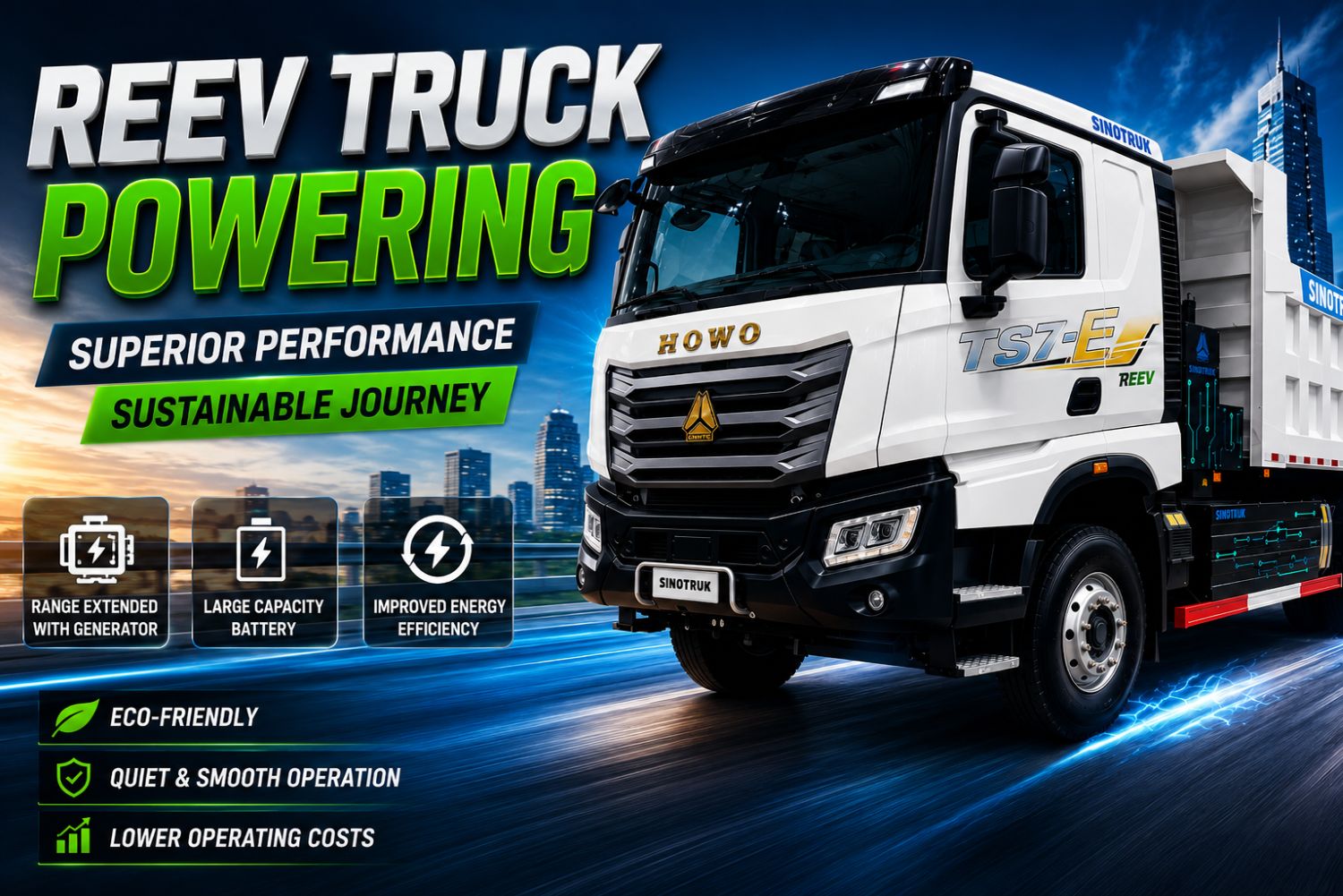
Although REEV trucks deliver the same smooth and quiet driving experience as Battery Electric Vehicles (BEVs), they significantly reduce range anxiety with an innovative range-extending solution. So, what is a REEV truck? How does this range-extended electric vehicle technology work, and how does it differ from conventional hybrid systems? Let’s explore the details in the article below and discover whether REEV could be the future of the automotive industry.
What Is a REEV?
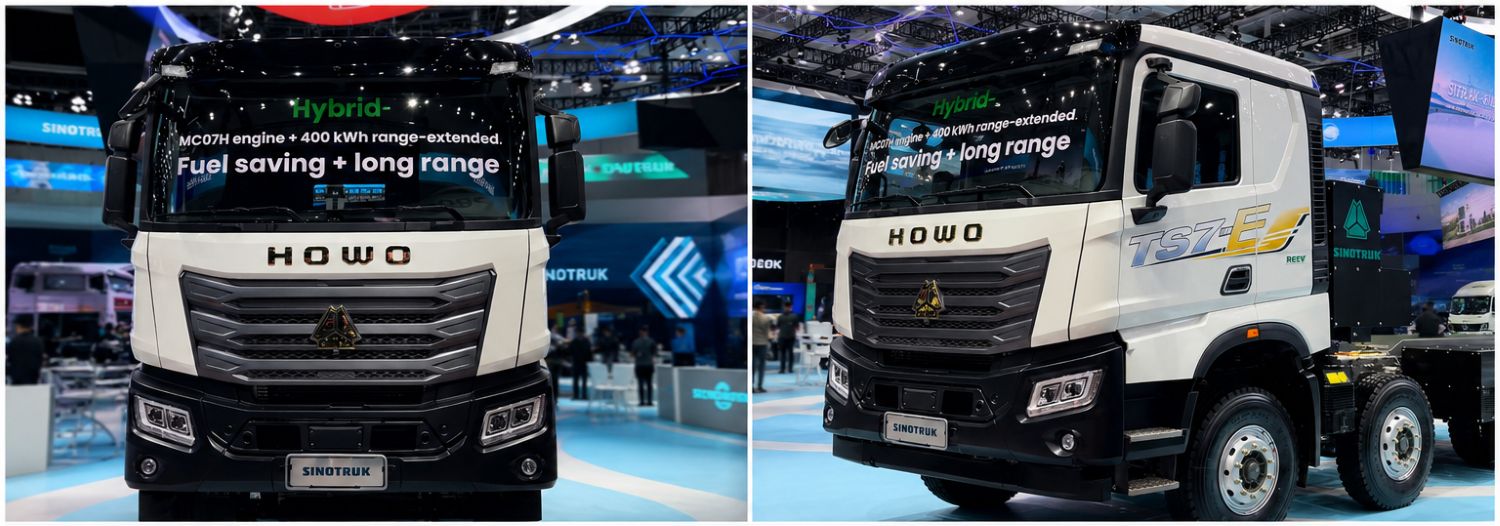
REEV stands for Range-Extended Electric Vehicle, also known as EREV (Extended-Range Electric Vehicle). It refers to an electric vehicle equipped with a range-extending system that increases driving distance without relying solely on battery capacity.
Unlike conventional Battery Electric Vehicles (BEVs) and traditional hybrid vehicles, a REEV truck is always driven by an electric motor. In addition to its high-voltage battery pack, it is equipped with a small internal combustion engine (ICE) that functions solely as a generator, producing electricity when the battery’s state of charge becomes low.
The key distinction is that the gasoline or diesel engine does not mechanically drive the wheels. Instead, it generates electricity to either recharge the battery or supply power directly to the electric motor. This unique powertrain architecture allows REEV trucks to retain the smooth, quiet, and responsive driving experience of a fully electric vehicle while significantly extending their driving range and reducing range anxiety.
How REEV Technology Works?
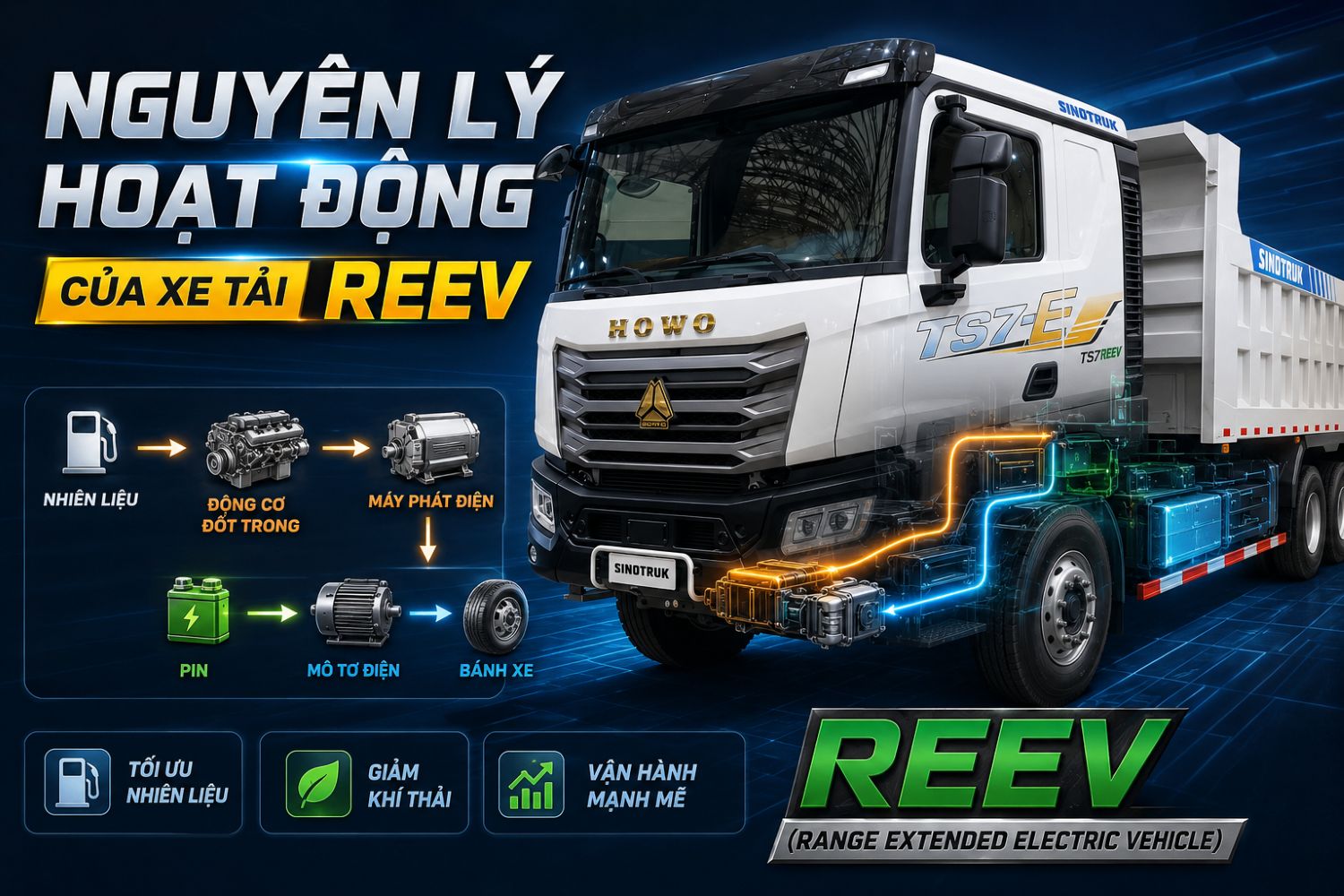
The energy flow in a Range-Extended Electric Vehicle (REEV) follows a single, linear path:
Fuel (Gasoline) → Internal Combustion Engine (ICE) → Generator → Traction Battery / Electric Motor → Wheels
- Electric Motor: The electric motor is the only component responsible for driving the wheels. It delivers power directly to the drivetrain, providing smooth acceleration and instant torque.
- Traction Battery: The traction battery typically has a medium to large capacity, allowing the vehicle to operate in all-electric mode for up to 200–300 km, depending on the vehicle model and driving conditions.
- Internal Combustion Engine (ICE) & Generator: The internal combustion engine and generator are completely decoupled from the drivetrain. Rather than powering the wheels, the engine operates within its most efficient RPM range to drive the generator, which produces electricity to either recharge the battery or supply power directly to the electric motor.
How a REEV Truck Operates
A REEV truck typically operates through the following stages:
- When the battery has sufficient charge, the electric motor draws power directly from the traction battery to propel the vehicle.
- When the battery level drops below a predefined threshold, the internal combustion engine automatically starts.
- The engine drives the generator to produce electricity.
- The generated electricity is then supplied to the electric motor or used to recharge the traction battery, depending on the vehicle’s energy management strategy.
- Once the battery has been sufficiently recharged or the vehicle is connected to an external charging source, the engine shuts off automatically.
Thanks to this operating principle, REEV trucks can achieve a significantly longer driving range while reducing their dependence on public charging infrastructure, making them well suited for long-distance commercial transportation.
Operating Modes of a REEV
The Vehicle Control Unit (VCU) in a REEV automatically manages the flow of energy based on the battery’s State of Charge (SOC) and the vehicle’s operating conditions.
| Operating Mode | Battery Status | Gasoline Engine Operation | Energy Flow |
|---|---|---|---|
| Pure Electric (EV) Mode | Battery sufficiently charged (manufacturer-defined threshold, typically above 20–30% SOC) | Engine remains off | Battery → Electric Motor → Wheels |
| Range Extender Mode | Low battery (manufacturer-defined threshold, typically below 20–30% SOC) | Engine starts automatically | Gasoline Engine → Generator → Battery / Electric Motor → Wheels |
| High Load / Hard Acceleration | Low battery + heavy accelerator input | Engine operates at maximum output | Generator + Battery → Electric Motor → Wheels |
| Regenerative Braking | During deceleration or downhill driving | Engine off | Vehicle Kinetic Energy → Electric Motor (acting as a generator) → Battery |
Advantages of REEV Trucks
Reduced Range Anxiety
One of the greatest advantages of REEV trucks is their ability to significantly reduce range anxiety. When the battery charge drops to a predefined level, the range extender system automatically generates electricity, allowing the vehicle to continue operating without interruption.
Longer Driving Range
Compared with conventional Battery Electric Vehicles (BEVs), REEV trucks can achieve a longer overall driving range by combining a traction battery with an onboard generator. This makes them particularly suitable for:
- Long-haul freight transportation
- Intercity and regional logistics
- Delivery operations in areas with limited charging infrastructure
Improved Fuel Efficiency Compared with Diesel Trucks
Unlike conventional diesel trucks, whose engines must continuously vary engine speed according to driving conditions, the internal combustion engine in a REEV operates within its optimal efficiency range to generate electricity. This enables lower fuel consumption and reduced emissions across a wide range of operating conditions.
A Driving Experience Similar to a Battery Electric Vehicle
Because the wheels are powered exclusively by the electric motor, drivers can enjoy the same benefits as a fully electric vehicle, including:
- Smooth and responsive acceleration
- Quiet operation
- Minimal vibration
- Instant torque delivery
Lower Emissions
Although REEV trucks still consume fuel to power the onboard generator, their tailpipe emissions are significantly lower than those of conventional diesel trucks. By operating the engine at its most efficient load, REEV technology helps reduce both fuel consumption and greenhouse gas emissions while maintaining the flexibility required for long-distance commercial transport.
Limitations of REEV Trucks
Despite their many advantages, REEV trucks also have several limitations that should be considered.
Higher Initial Investment Than Diesel Trucks
Because they integrate multiple systems-including a high-voltage battery, electric motor, internal combustion engine, and generator-REEV trucks generally have higher manufacturing costs and purchase prices than conventional diesel trucks in the same class.
Dual Maintenance Requirements
Although the internal combustion engine operates less frequently than in a conventional vehicle, it still requires routine maintenance, such as oil changes and periodic servicing. In addition, the high-voltage battery and electric drive system also require specialized inspection and maintenance, which can result in higher overall maintenance costs.
Frequently Asked Questions About REEV Trucks
Is a REEV Truck a Hybrid Vehicle?
Not exactly. REEVs are generally classified as electrified vehicles rather than conventional hybrids, because the wheels are driven exclusively by the electric motor, while the internal combustion engine serves primarily as a generator to recharge the battery or supply electricity to the electric motor.
Will REEV Trucks Replace BEV Trucks Entirely?
No. REEV technology is widely regarded as a transitional solution while charging infrastructure continues to expand and battery technology advances. As charging networks become more extensive and battery performance improves, Battery Electric Vehicles (BEVs) are still expected to play a dominant role in the long-term future of zero-emission transportation.
Conclusion
By now, you should have a clear understanding of what a REEV is, how it works, and the key advantages and limitations of this innovative technology. By combining an electric drivetrain with a range-extending generator, REEV trucks offer an effective solution for businesses seeking to reduce emissions while maintaining the flexibility and reliability required for long-distance freight operations.
As the logistics and transportation industry continues its transition toward cleaner and more sustainable mobility, REEV technology is expected to serve as an important bridge before fully electric trucks become the mainstream choice. When selecting the right commercial vehicle, businesses should carefully evaluate their operational requirements, investment budget, and access to charging infrastructure to maximize long-term efficiency and return on investment.